Isomalto-oligosaccharides
What is Isomalto-oligosaccharides?
Isomalto-oligosaccharides (IMOs) are a group of carbohydrates that are similar to dietary fibers. They are typically produced from starch, often from corn or tapioca, through enzymatic processes.
Is Isomalto-oligosaccharides vegan?
Isomalto-oligosaccharides is not animal-derived. Products that contain it can still include other animal-derived ingredients, so check the full ingredient list.
Is Isomalto-oligosaccharides gluten-free?
They do not contain gluten.
Is Isomalto-oligosaccharides a major allergen?
IMOs are not derived from any of the nine FDA major allergens.
What is Isomalto-oligosaccharides used for?
IMOs are used as sweeteners and prebiotics, meaning they can feed beneficial bacteria in the gut.
Is Isomalto-oligosaccharides safe?
IMOs are generally recognized as safe (GRAS) by the FDA for use in food.
Why it's used
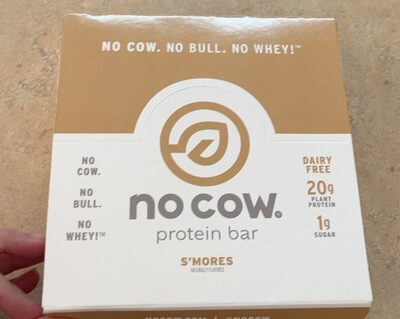
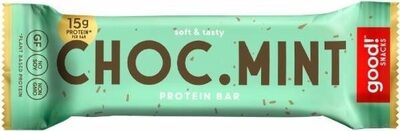
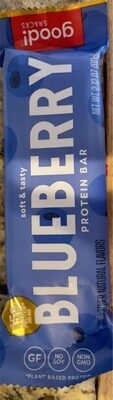
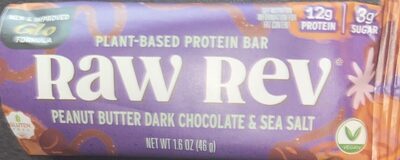
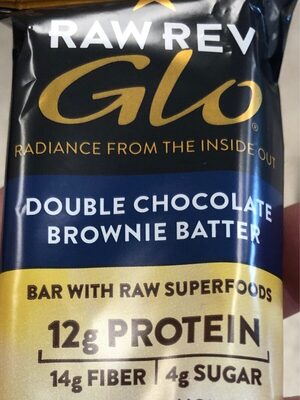
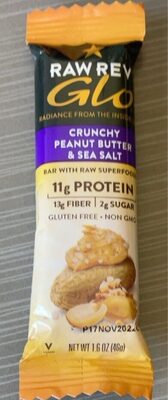
IMOs are used as sweeteners and prebiotics, meaning they can feed beneficial bacteria in the gut. They are found in a variety of foods, including protein bars, baked goods, and confectionery, where they add sweetness and fiber content.
Health notes
IMOs are generally recognized as safe (GRAS) by the FDA for use in food. Some research suggests they may offer prebiotic benefits and contribute to digestive health. However, like other sugar alcohols and fibers, excessive consumption may lead to digestive discomfort for some individuals. International bodies like JECFA and EFSA have evaluated similar carbohydrate compounds.
Allergen info
IMOs are not derived from any of the nine FDA major allergens. They do not contain gluten.
Foods that contain Isomalto-oligosaccharides
Compare products →
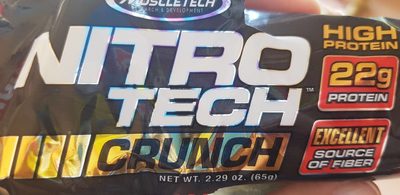
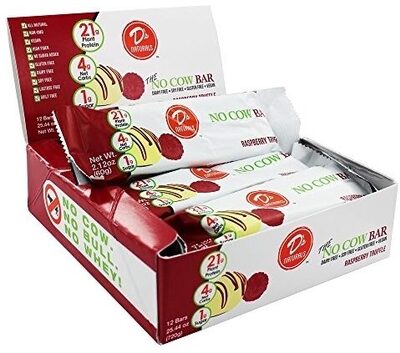

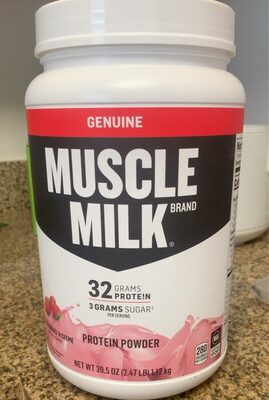
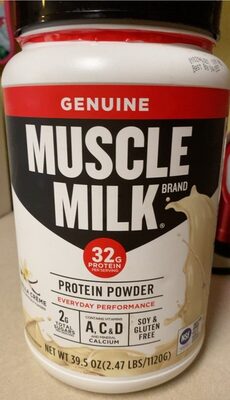








Learn more
Auto-generated content. This description was generated automatically and is pending editorial review. Inaccuracies are possible. Found a mistake? Contact us.