Jasmine
What is Jasmine?
Jasmine is a fragrant flower native to South Asia and Southeast Asia. The flowers are often used to scent tea leaves, giving jasmine tea its characteristic aroma and flavor. The process typically involves layering jasmine flowers with tea leaves, allowing the leaves to absorb the floral scent.
Is Jasmine vegan?
Jasmine is not animal-derived. Products that contain it can still include other animal-derived ingredients, so check the full ingredient list.
Is Jasmine gluten-free?
It does not contain gluten.
Is Jasmine a major allergen?
Jasmine is not derived from any of the nine FDA major allergens.
What is Jasmine used for?
Jasmine is primarily used as a flavoring agent in foods and beverages, most notably in teas.
Is Jasmine safe?
Jasmine is generally recognized as safe (GRAS) by the FDA for use as a flavoring.
Why it's used
Jasmine is primarily used as a flavoring agent in foods and beverages, most notably in teas. Its delicate floral aroma enhances the sensory experience of products like iced tea, bottled tea, and even some alcoholic beverages. Manufacturers add it to impart a pleasant, aromatic quality.
Health notes
Jasmine is generally recognized as safe (GRAS) by the FDA for use as a flavoring. Regulatory bodies like JECFA and EFSA have evaluated flavorings, and jasmine is considered safe when consumed at typical levels. Research on jasmine's health effects is ongoing, with some studies exploring potential antioxidant properties, but more evidence is needed.
Allergen info
Jasmine is not derived from any of the nine FDA major allergens. It does not contain gluten.
Foods that contain Jasmine
Compare products →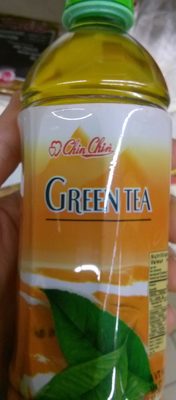

Learn more
Auto-generated content. This description was generated automatically and is pending editorial review. Inaccuracies are possible. Found a mistake? Contact us.