Kombu Seaweed Powder
Auto-generated content. This description was generated automatically and is pending editorial review. Inaccuracies are possible. Found a mistake? Contact us.
What it is
Kombu seaweed powder is made from dried and ground kelp, a type of edible brown seaweed. It is a natural source of umami, the savory taste, and is commonly used in Japanese cuisine. The powder is produced by drying the kombu and then grinding it into a fine consistency.
Why it's used
Manufacturers add kombu powder to foods to enhance their savory flavor and provide an umami taste. It is often found in seasoning mixes, broths, soups, and sauces. It can also be used as a natural salt substitute or to add depth to marinades.
Health notes
Kombu seaweed powder is generally recognized as safe (GRAS) by the FDA for use as a food ingredient. It is a source of iodine, and excessive intake can lead to thyroid issues. The Joint FAO/WHO Expert Committee on Food Additives (JECFA) has evaluated kombu, and EFSA has also assessed seaweed as a food source. Evidence on the specific health effects of kombu powder at typical dietary intakes is generally positive, but moderation is advised due to its iodine content.
Allergen info
Kombu seaweed powder is not derived from any of the 9 FDA major allergens. It is also gluten-free.
Products containing Kombu Seaweed Powder
Compare products →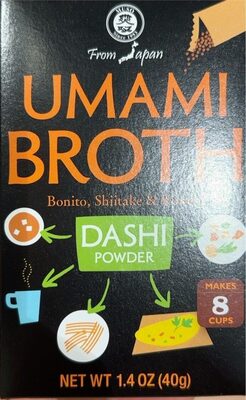 Bison Gear and Engineering
Umami Broth Bonito, Shiitake & Kombu Dashi Powder, Umami Broth
300kcal
20Protein
0Fat
60Carbs
Bison Gear and Engineering
Umami Broth Bonito, Shiitake & Kombu Dashi Powder, Umami Broth
300kcal
20Protein
0Fat
60Carbs
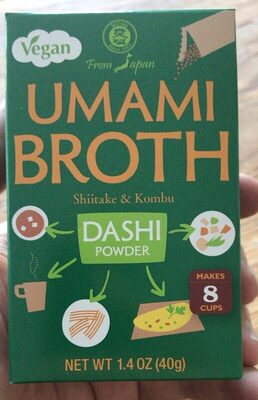 Bison Gear and Engineering
Dashi Powder Umami Broth, Dashi Powder
200kcal
20Protein
0Fat
40Carbs
Bison Gear and Engineering
Ramen Shoyu, Ramen
High in sodium — 74% DV per serving
294kcal
10.1Protein
1.8Fat
58.7Carbs
Bison Gear and Engineering
Dashi Powder Umami Broth, Dashi Powder
200kcal
20Protein
0Fat
40Carbs
Bison Gear and Engineering
Ramen Shoyu, Ramen
High in sodium — 74% DV per serving
294kcal
10.1Protein
1.8Fat
58.7Carbs
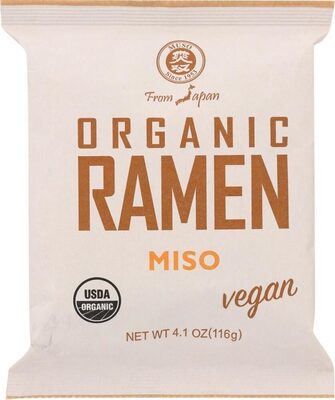 Bison Gear and Engineering
Organic Ramen, Miso
High in sodium — 83% DV per serving
310kcal
11.2Protein
2.6Fat
60.3Carbs
Bison Gear and Engineering
Organic Ramen, Miso
High in sodium — 83% DV per serving
310kcal
11.2Protein
2.6Fat
60.3Carbs