Konjac Starch Pearl
What is Konjac Starch Pearl?
Konjac starch pearls are small, chewy spheres made from the konjac plant, native to Southeast Asia. The starch is extracted from the plant's root and processed to form these pearls, often used as a textural element in foods.
Is Konjac Starch Pearl vegan?
Konjac Starch Pearl is not animal-derived. Products that contain it can still include other animal-derived ingredients, so check the full ingredient list.
Is Konjac Starch Pearl gluten-free?
It is also gluten-free.
Is Konjac Starch Pearl a major allergen?
Konjac starch is not derived from any of the nine FDA major allergens.
What is Konjac Starch Pearl used for?
These pearls are primarily used to add a unique chewy texture to beverages and desserts.
Is Konjac Starch Pearl safe?
Konjac is generally recognized as safe (GRAS) by the FDA for use in food.
Why it's used
These pearls are primarily used to add a unique chewy texture to beverages and desserts. They are commonly found in bubble tea, iced coffees, and other specialty drinks, providing a satisfying mouthfeel.
Health notes
Konjac is generally recognized as safe (GRAS) by the FDA for use in food. It is a source of dietary fiber, which can contribute to digestive health. International bodies like JECFA have evaluated konjac and its components. While generally considered safe, consuming large amounts of konjac fiber without adequate fluid can potentially cause digestive discomfort.
Allergen info
Konjac starch is not derived from any of the nine FDA major allergens. It is also gluten-free.
Foods that contain Konjac Starch Pearl
Compare products →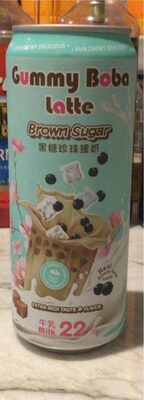

Auto-generated content. This description was generated automatically and is pending editorial review. Inaccuracies are possible. Found a mistake? Contact us.