Lemon Balm Powder
What is Lemon Balm Powder?
Lemon balm (Melissa officinalis) is a perennial herb in the mint family, native to southern Europe and the Mediterranean region. It is cultivated for its lemon-scented leaves, which are typically dried and ground into a powder for use in food and beverages.
Is Lemon Balm Powder vegan?
Lemon Balm Powder is not animal-derived. Products that contain it can still include other animal-derived ingredients, so check the full ingredient list.
Is Lemon Balm Powder gluten-free?
It does not contain gluten.
Is Lemon Balm Powder a major allergen?
Lemon balm is not one of the nine major allergens recognized by the FDA.
What is Lemon Balm Powder used for?
Lemon balm powder is primarily used as a flavoring agent, imparting a mild, citrusy, mint-like taste.
Is Lemon Balm Powder safe?
In the U.S., lemon balm is generally recognized as safe (GRAS) by the FDA for use as a flavoring.
Why it's used
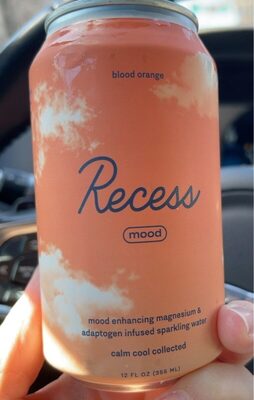
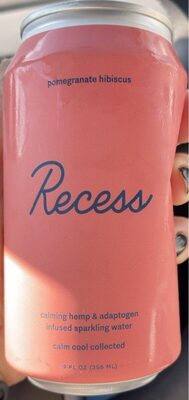
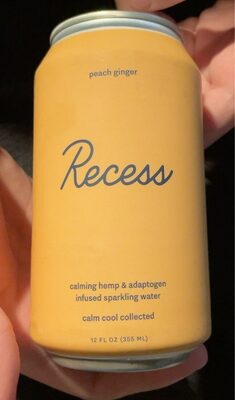
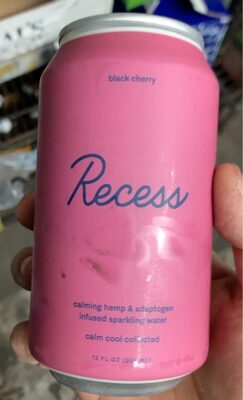
Lemon balm powder is primarily used as a flavoring agent, imparting a mild, citrusy, mint-like taste. It is often found in beverages like flavored waters, teas, and powdered drink mixes, and can also be used in supplements.
Health notes
In the U.S., lemon balm is generally recognized as safe (GRAS) by the FDA for use as a flavoring. Traditional uses suggest it may have calming effects, but scientific evidence for significant health benefits at typical dietary intake levels is limited and mixed. Regulatory bodies like EFSA have not set specific limits for its use as a food ingredient.
Allergen info
Lemon balm is not one of the nine major allergens recognized by the FDA. It does not contain gluten.
Foods that contain Lemon Balm Powder
Compare products →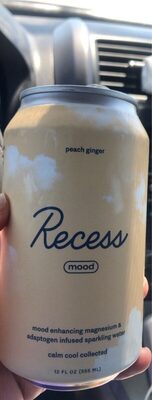
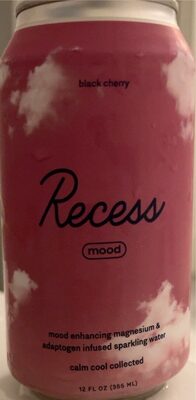
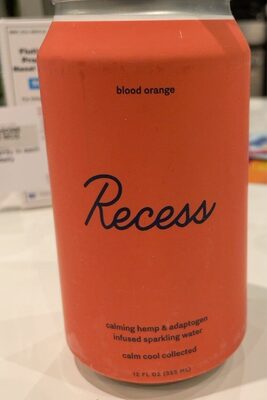
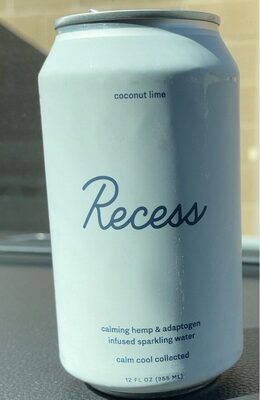
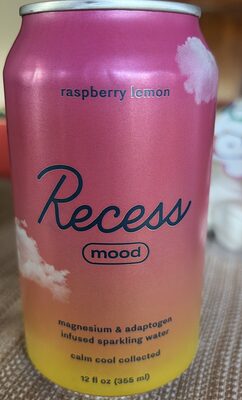
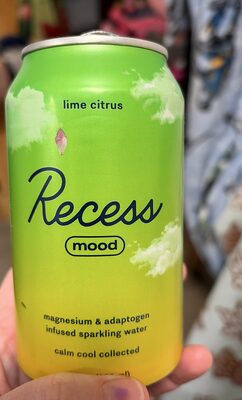
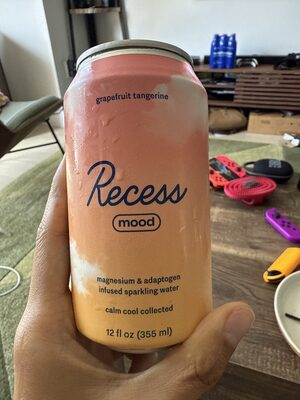
Learn more
Auto-generated content. This description was generated automatically and is pending editorial review. Inaccuracies are possible. Found a mistake? Contact us.