Lemon Curd
What is Lemon Curd?
Lemon curd is a sweet, tart spread made from lemon juice, sugar, eggs, and butter. It has a smooth, creamy texture and a bright, citrusy flavor. It is often homemade but also found as a commercially produced ingredient.
Is Lemon Curd vegan?
No. Lemon Curd is animal-derived, so it is not vegan.
Is Lemon Curd gluten-free?
It does not typically contain gluten, fish, shellfish, tree nuts, peanuts, milk, or soy.
Is Lemon Curd a major allergen?
Lemon curd contains eggs, which are one of the FDA's major allergens.
What is Lemon Curd used for?
Manufacturers use lemon curd primarily as a flavor ingredient, adding a distinct lemon taste and sweetness to foods.
Is Lemon Curd safe?
Lemon curd is generally recognized as safe (GRAS) by the FDA when used as a food ingredient.
Why it's used
Manufacturers use lemon curd primarily as a flavor ingredient, adding a distinct lemon taste and sweetness to foods. It also contributes to the texture and richness of products. It is commonly found in desserts like cakes, pastries, cookies, and ice cream, as well as in yogurt and parfaits.
Health notes
Lemon curd is generally recognized as safe (GRAS) by the FDA when used as a food ingredient. It is a source of sugar and fat due to its ingredients. Regulatory bodies like JECFA and EFSA have evaluated various components of lemon curd, such as sugar and eggs, but not the combined product itself. No specific health concerns are associated with typical consumption levels.
Allergen info
Lemon curd contains eggs, which are one of the FDA's major allergens. It does not typically contain gluten, fish, shellfish, tree nuts, peanuts, milk, or soy.
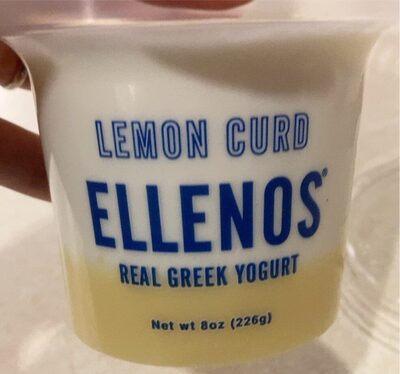
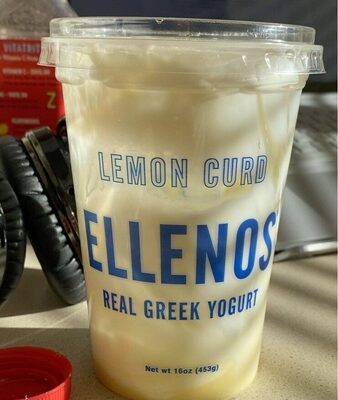
Foods that contain Lemon Curd
Compare products →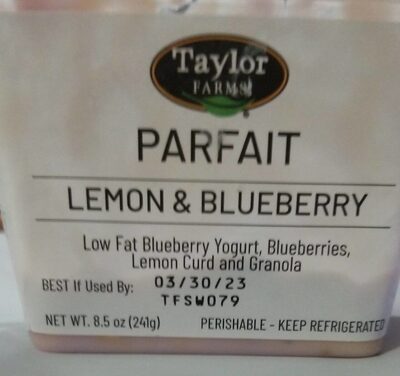

Learn more
Auto-generated content. This description was generated automatically and is pending editorial review. Inaccuracies are possible. Found a mistake? Contact us.