Lemon Pulp
Auto-generated content. This description was generated automatically and is pending editorial review. Inaccuracies are possible. Found a mistake? Contact us.
What it is
Lemon pulp is the fleshy interior of a lemon, including the juice, pulp segments, and sometimes small seeds. It is derived directly from the fruit of the lemon tree (Citrus limon). The pulp is typically separated from the peel and used as is or processed further.
Why it's used
Manufacturers add lemon pulp for its bright, tart flavor and aroma, and its natural acidity. It is commonly used in baked goods like cakes and cupcakes, frozen desserts, beverages such as sodas, and fruit preparations to enhance taste and provide a fresh, citrusy note.
Health notes
Lemon pulp is generally recognized as safe (GRAS) by the FDA for use in food. It is a natural source of vitamin C and antioxidants. International bodies like JECFA have evaluated lemon products, and EFSA has assessed citric acid, a component of lemon pulp. At typical consumption levels, it is not associated with adverse health effects.
Allergen info
Lemon pulp is not derived from any of the 9 FDA major allergens. It does not contain gluten.
Products containing Lemon Pulp
Compare products →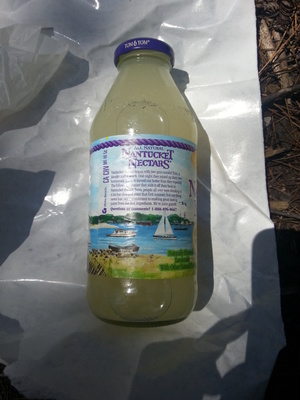 Mott's LLP
Squeezed Lemonade
46kcal
0Protein
0Fat
11.5Carbs
Mott's LLP
Half & Half Lemonade Iced Tea
35kcal
0Protein
0Fat
9.2Carbs
Mott's LLP
Squeezed Lemonade
46kcal
0Protein
0Fat
11.5Carbs
Mott's LLP
Half & Half Lemonade Iced Tea
35kcal
0Protein
0Fat
9.2Carbs
 Tropicana Products, Inc.
Drinks
48kcal
0.3Protein
0Fat
11.8Carbs
Tropicana Products, Inc.
Tangerine Lemonade
51kcal
0Protein
0Fat
11.8Carbs
MARCHE DE PARIS
Authentic French Macarons
High in added sugars — 32% DV per serving
389kcal
11.1Protein
11.1Fat
63.9Carbs
SHURFINE
Pink Lemonade Juice Frozen Concentrate, Pink Lemonade
High in added sugars — 48% DV per serving
244kcal
0Protein
0Fat
64.4Carbs
SHURFINE
Lemonade Frozen Concentrate
High in added sugars — 48% DV per serving
244kcal
0Protein
0Fat
64.4Carbs
Tropicana Products, Inc.
Drinks
48kcal
0.3Protein
0Fat
11.8Carbs
Tropicana Products, Inc.
Tangerine Lemonade
51kcal
0Protein
0Fat
11.8Carbs
MARCHE DE PARIS
Authentic French Macarons
High in added sugars — 32% DV per serving
389kcal
11.1Protein
11.1Fat
63.9Carbs
SHURFINE
Pink Lemonade Juice Frozen Concentrate, Pink Lemonade
High in added sugars — 48% DV per serving
244kcal
0Protein
0Fat
64.4Carbs
SHURFINE
Lemonade Frozen Concentrate
High in added sugars — 48% DV per serving
244kcal
0Protein
0Fat
64.4Carbs