Less Than 1% Artificial Coloring
What is Less Than 1% Artificial Coloring?
Artificial coloring refers to synthetic substances used to add or restore color to foods. These colorings are manufactured chemicals, not derived from natural sources like plants or animals. They are chosen for their stability, intensity, and cost-effectiveness.
Is Less Than 1% Artificial Coloring vegan?
Less Than 1% Artificial Coloring is not animal-derived. Products that contain it can still include other animal-derived ingredients, so check the full ingredient list.
Is Less Than 1% Artificial Coloring gluten-free?
It does not contain gluten.
Is Less Than 1% Artificial Coloring a major allergen?
Artificial coloring is not derived from any of the 9 FDA major allergens.
What is Less Than 1% Artificial Coloring used for?
Manufacturers add artificial coloring to make food visually appealing, to compensate for color loss during processing, or to ensure color consistency.
Is Less Than 1% Artificial Coloring safe?
Artificial colorings are regulated by the FDA as approved food additives.
Why it's used
Manufacturers add artificial coloring to make food visually appealing, to compensate for color loss during processing, or to ensure color consistency. They are commonly found in candies, baked goods, beverages, snacks, and processed foods.
Health notes
Artificial colorings are regulated by the FDA as approved food additives. In April 2025, the FDA announced a plan to phase out petroleum-based synthetic dyes, including some artificial colorings, due to environmental and potential health concerns. While generally recognized as safe at typical consumption levels, some individuals may experience sensitivity or hyperactivity, though scientific evidence is mixed. The European Food Safety Authority (EFSA) also evaluates food colorings.
Allergen info
Artificial coloring is not derived from any of the 9 FDA major allergens. It does not contain gluten.
Foods that contain Less Than 1% Artificial Coloring
Compare products →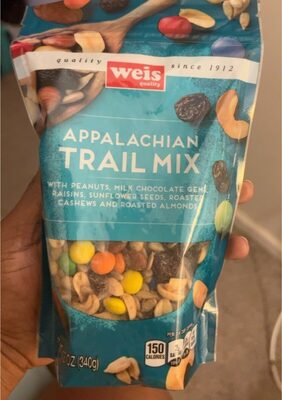
Learn more
Auto-generated content. This description was generated automatically and is pending editorial review. Inaccuracies are possible. Found a mistake? Contact us.