Less Than 1%: Cinnamon
What is Less Than 1%: Cinnamon?
Cinnamon is a spice made from the inner bark of several trees from the genus Cinnamomum. The bark is dried and then ground into a powder or used as whole sticks. It has a warm, sweet flavor and aroma.
Is Less Than 1%: Cinnamon vegan?
Less Than 1%: Cinnamon is not animal-derived. Products that contain it can still include other animal-derived ingredients, so check the full ingredient list.
Is Less Than 1%: Cinnamon gluten-free?
It does not contain gluten.
Is Less Than 1%: Cinnamon a major allergen?
Cinnamon is not a major allergen.
What is Less Than 1%: Cinnamon used for?
Cinnamon is primarily used to add flavor to a wide variety of foods, both sweet and savory.
Is Less Than 1%: Cinnamon safe?
Cinnamon is generally recognized as safe (GRAS) by the FDA for use as a food ingredient.
Why it's used
Cinnamon is primarily used to add flavor to a wide variety of foods, both sweet and savory. It is commonly found in baked goods, cereals, yogurts, and beverages. Manufacturers use it as a flavoring agent to enhance taste and aroma.
Health notes
Cinnamon is generally recognized as safe (GRAS) by the FDA for use as a food ingredient. It is a common spice with a long history of use. Some research suggests cinnamon may have antioxidant properties, but more studies are needed to confirm health benefits. The WHO has not set a specific limit for cinnamon intake, and it is not typically a focus of regulatory concern at normal dietary levels.
Allergen info
Cinnamon is not a major allergen. It does not contain gluten.
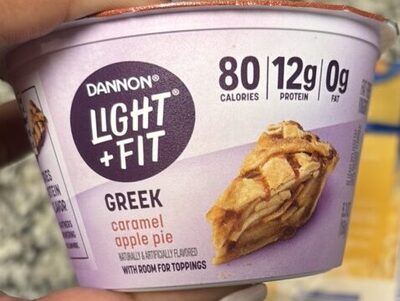
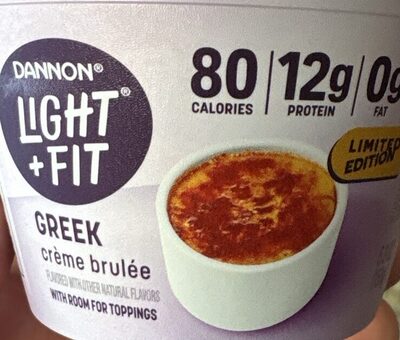
Foods that contain Less Than 1%: Cinnamon
Compare products →
Learn more
Auto-generated content. This description was generated automatically and is pending editorial review. Inaccuracies are possible. Found a mistake? Contact us.