Less Than 1% Sugar
What is Less Than 1% Sugar?
Sugar is a common carbohydrate, also known as sucrose, naturally found in plants like sugarcane and sugar beets. It is extracted, purified, and crystallized from these plants to create the sugar used in food products.
Is Less Than 1% Sugar vegan?
Less Than 1% Sugar is not animal-derived. Products that contain it can still include other animal-derived ingredients, so check the full ingredient list.
Is Less Than 1% Sugar a major allergen?
Not a major allergen.
What is Less Than 1% Sugar used for?
When listed as 'Less Than 1% Sugar,' it indicates a very small amount is present in the product.
Is Less Than 1% Sugar safe?
The FDA considers sugar (sucrose) Generally Recognized As Safe (GRAS).
Why it's used
When listed as 'Less Than 1% Sugar,' it indicates a very small amount is present in the product. Manufacturers might add this minimal amount to balance flavors, provide a slight sweetness, or contribute to texture without significantly increasing the overall sugar content. It is often found in beverages and other products where a hint of sweetness or functional property is desired.
Health notes
The FDA considers sugar (sucrose) Generally Recognized As Safe (GRAS). While excessive intake of added sugars is a public health concern, the 'Less Than 1% Sugar' declaration means its contribution to daily sugar intake is minimal. The 2025-2030 Dietary Guidelines for Americans recommend no amount of added sugars, and at most 10 grams per meal, with the World Health Organization advising free sugars under 10% of total energy. JECFA has evaluated sugar.
Allergen info
Not a major allergen.
Foods that contain Less Than 1% Sugar
Compare products →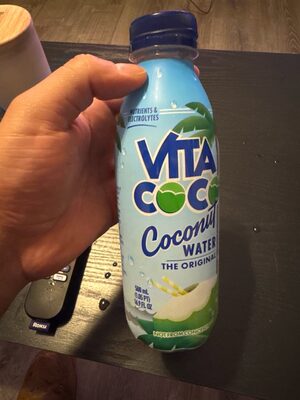
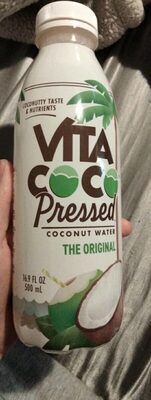
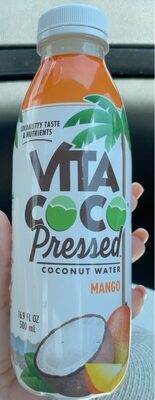
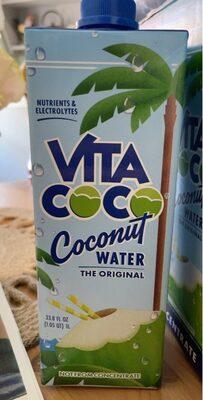
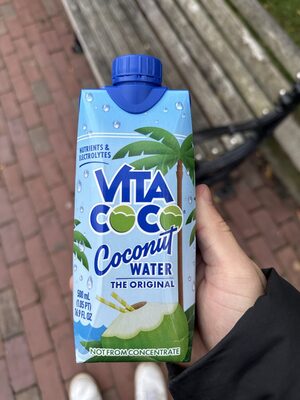
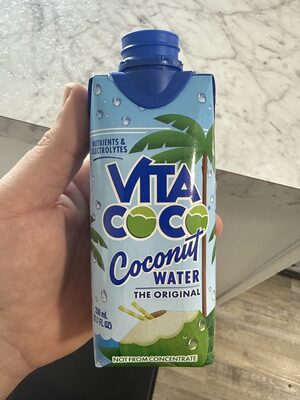
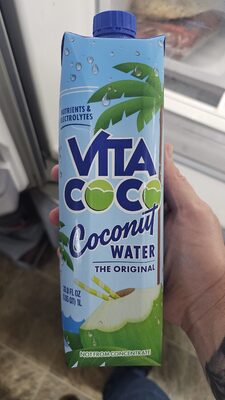
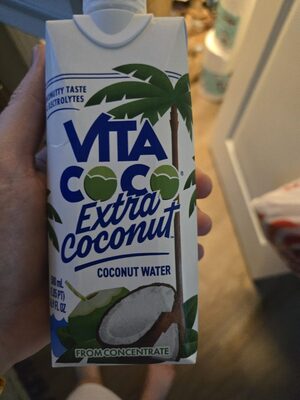
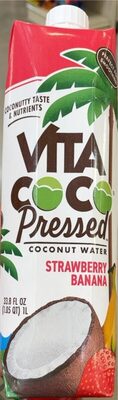 Vita Coco
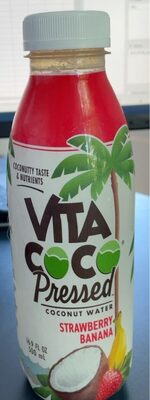
Strawberry Banana Pressed Coconut Water, Strawberry Banana
25kcal
0Protein
0.6Fat
4.6Carbs
Learn more
Auto-generated content. This description was generated automatically and is pending editorial review. Inaccuracies are possible. Found a mistake? Contact us.