Licorice Extract
Auto-generated content. This description was generated automatically and is pending editorial review. Inaccuracies are possible. Found a mistake? Contact us.
What it is
Licorice extract comes from the root of the licorice plant (Glycyrrhiza glabra), a legume native to parts of Europe and Asia. The root is dried and then processed to extract its sweet-tasting compounds, primarily glycyrrhizin.
Why it's used
Manufacturers use licorice extract for its intense sweetness and distinct flavor. It is commonly found in candies, baked goods, beverages, and some savory sauces.
Health notes
In the U.S., licorice extract is Generally Recognized As Safe (GRAS) for use in food. However, consuming large amounts of licorice extract, particularly the glycyrrhizin component, can lead to increased blood pressure and decreased potassium levels in some individuals. Regulatory bodies like the European Food Safety Authority (EFSA) have evaluated licorice and its components, setting guidance on safe consumption levels. Evidence regarding long-term effects of typical dietary intake is mixed.
Allergen info
Licorice extract is not derived from any of the nine FDA major allergens. It does not contain gluten.
Products containing Licorice Extract
Compare products →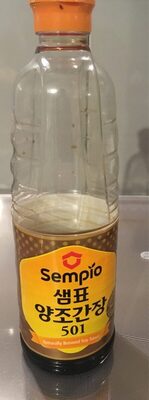 SEMPIO
Naturally Brewed Soy Sauce
67kcal
13.3Protein
0Fat
13.3Carbs
SEMPIO
Naturally Brewed Soy Sauce
67kcal
13.3Protein
0Fat
13.3Carbs
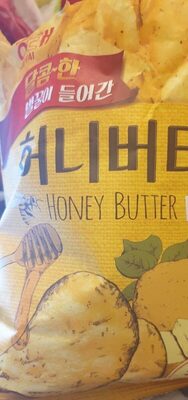 HAITAI
Honey Butter Chip
High in saturated fat — 40% DV per serving
575kcal
3.3Protein
40Fat
50Carbs
HAITAI
Honey Butter Chip
High in saturated fat — 40% DV per serving
575kcal
3.3Protein
40Fat
50Carbs
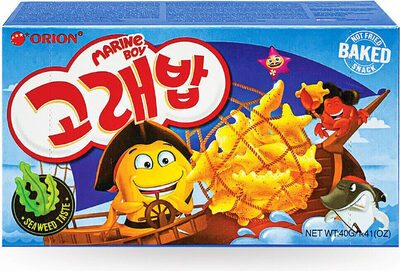 ORION
Marine Boy Baked Snack
475kcal
7.5Protein
15Fat
75Carbs
ORION CORP
Koreabob Seaweed
450kcal
7.5Protein
12.5Fat
80Carbs
ORION
Marine Boy Baked Snack
475kcal
7.5Protein
15Fat
75Carbs
ORION CORP
Koreabob Seaweed
450kcal
7.5Protein
12.5Fat
80Carbs
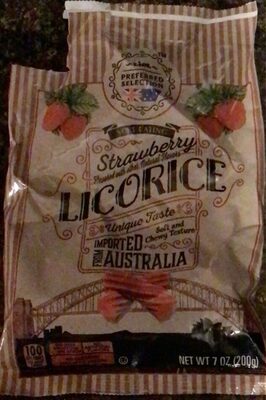 LIDL
Strawberry Flavored Licorice, Strawberry
325kcal
2.5Protein
2.5Fat
72.5Carbs
The Hershey Company
Twizzlers, Soft Licorice Bites, Black Raspberry, Black Raspberry
357kcal
2.4Protein
3.6Fat
78.6Carbs
The Hershey Company
Low Fat Snack, Cherry, Black Raspberry Strawberry
350kcal
2.5Protein
2.5Fat
77.5Carbs
The Hershey Company
Twists Candy, Licorice
350kcal
2.5Protein
1.2Fat
77.5Carbs
Topco Associates, Inc.
Licorice All Sorts Classic Candies, Licorice All Sorts
400kcal
2.5Protein
6.2Fat
85Carbs
Lucky Country USA, LLC
Lucky Country, Aussie-Style Soft Licorice, Strawberry, Strawberry
350kcal
2.5Protein
1.2Fat
80Carbs
LIDL
Strawberry Flavored Licorice, Strawberry
325kcal
2.5Protein
2.5Fat
72.5Carbs
The Hershey Company
Twizzlers, Soft Licorice Bites, Black Raspberry, Black Raspberry
357kcal
2.4Protein
3.6Fat
78.6Carbs
The Hershey Company
Low Fat Snack, Cherry, Black Raspberry Strawberry
350kcal
2.5Protein
2.5Fat
77.5Carbs
The Hershey Company
Twists Candy, Licorice
350kcal
2.5Protein
1.2Fat
77.5Carbs
Topco Associates, Inc.
Licorice All Sorts Classic Candies, Licorice All Sorts
400kcal
2.5Protein
6.2Fat
85Carbs
Lucky Country USA, LLC
Lucky Country, Aussie-Style Soft Licorice, Strawberry, Strawberry
350kcal
2.5Protein
1.2Fat
80Carbs
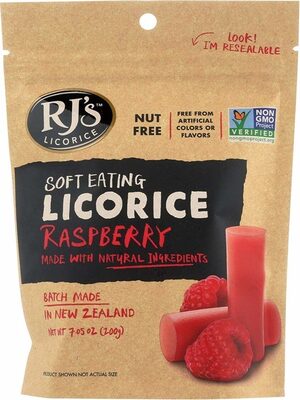 Windberg Enterprises, Inc.
Raspberry Flavored Soft Eating Licorice, Raspberry
High in added sugars — 24% DV per serving
367kcal
3.3Protein
1.7Fat
80Carbs
Windberg Enterprises, Inc.
Original Soft Eating Licorice, Original
High in added sugars — 28% DV per serving
367kcal
3.3Protein
1.7Fat
76.7Carbs
Windberg Enterprises, Inc.
Raspberry Flavored Soft Eating Licorice, Raspberry
High in added sugars — 24% DV per serving
367kcal
3.3Protein
1.7Fat
80Carbs
Windberg Enterprises, Inc.
Original Soft Eating Licorice, Original
High in added sugars — 28% DV per serving
367kcal
3.3Protein
1.7Fat
76.7Carbs