Licorice Root Extract
Auto-generated content. This description was generated automatically and is pending editorial review. Inaccuracies are possible. Found a mistake? Contact us.
What it is
Licorice root extract comes from the root of the Glycyrrhiza glabra plant, a perennial herb native to parts of Europe and Asia. The extract is made by drying and grinding the root, then steeping it in water or alcohol to pull out its active compounds. It has a distinct sweet flavor, much sweeter than sugar.
Why it's used
Manufacturers use licorice root extract primarily as a flavoring agent, especially in candies, beverages, and baked goods. Its intense sweetness can also contribute to the overall sweet profile of a product, reducing the need for other sweeteners. It is also sometimes used in herbal teas and supplements.
Health notes
In the U.S., licorice root extract is generally recognized as safe (GRAS) for use as a food flavoring. The Joint FAO/WHO Expert Committee on Food Additives (JECFA) has evaluated licorice and its components. Consuming very large amounts of licorice root extract, particularly the compound glycyrrhizin, can lead to health issues like increased blood pressure and lowered potassium levels. These effects are generally associated with excessive, long-term consumption, not typical dietary intake.
Allergen info
Licorice root extract is not derived from any of the nine FDA major allergens. It does not contain gluten.
Products containing Licorice Root Extract
Compare products →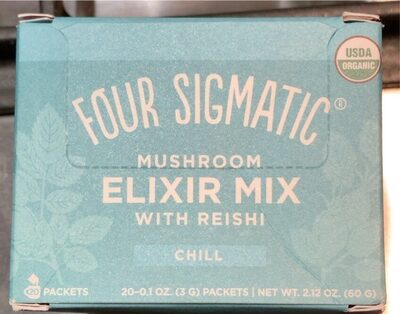 FOUR SIGMATIC
Reishi Mushroom Elixir Mix
167kcal
0Protein
0Fat
33.3Carbs
XARBA
Sunflower Seed Halva
536kcal
10.7Protein
28.6Fat
57.1Carbs
Gerrit J Verburg Company
Gustaf's, Dutch Licorice, Hot Pepper, Hot Pepper
335kcal
0Protein
0.5Fat
82.5Carbs
Newman's Own, Inc.
Licorice Bites, Black Licorice
343kcal
5.7Protein
2.9Fat
77.1Carbs
Newman's Own, Inc.
Licorice Bites, Strawberry
343kcal
2.9Protein
2.9Fat
68.6Carbs
Newman's Own, Inc.
Licorice Made With Organic Sugar Twists, Strawberry
310kcal
4.8Protein
1.2Fat
76.2Carbs
Newman's Own, Inc.
Licorice Bites, Sour Pineapple
343kcal
2.9Protein
2.9Fat
82.9Carbs
Newman's Own, Inc.
Sour Cherry Flavored Licorice Bites, Sour Cherry
343kcal
2.9Protein
2.9Fat
82.9Carbs
FOUR SIGMATIC
Reishi Mushroom Elixir Mix
167kcal
0Protein
0Fat
33.3Carbs
XARBA
Sunflower Seed Halva
536kcal
10.7Protein
28.6Fat
57.1Carbs
Gerrit J Verburg Company
Gustaf's, Dutch Licorice, Hot Pepper, Hot Pepper
335kcal
0Protein
0.5Fat
82.5Carbs
Newman's Own, Inc.
Licorice Bites, Black Licorice
343kcal
5.7Protein
2.9Fat
77.1Carbs
Newman's Own, Inc.
Licorice Bites, Strawberry
343kcal
2.9Protein
2.9Fat
68.6Carbs
Newman's Own, Inc.
Licorice Made With Organic Sugar Twists, Strawberry
310kcal
4.8Protein
1.2Fat
76.2Carbs
Newman's Own, Inc.
Licorice Bites, Sour Pineapple
343kcal
2.9Protein
2.9Fat
82.9Carbs
Newman's Own, Inc.
Sour Cherry Flavored Licorice Bites, Sour Cherry
343kcal
2.9Protein
2.9Fat
82.9Carbs
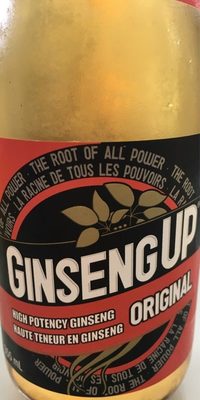 Ginseng Up Corporation
Original High Potency Ginseng
High in added sugars — 70% DV per serving
39kcal
0Protein
0Fat
9.9Carbs
Ginseng Up Corporation
Original High Potency Ginseng
High in added sugars — 70% DV per serving
39kcal
0Protein
0Fat
9.9Carbs
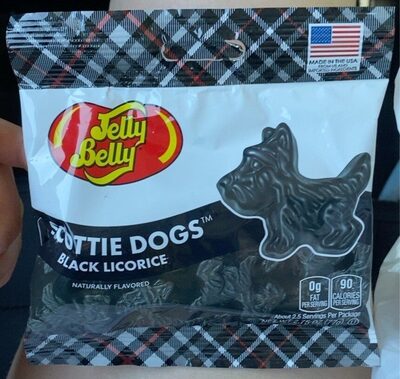 Jelly Belly Candy Company
Black Licorice Flavored Scottie Dogs Candy, Black Licorice
High in added sugars — 24% DV per serving
300kcal
0Protein
0Fat
80Carbs
Gimbal Brothers Inc.
Licorice
325kcal
0Protein
0Fat
82.5Carbs
Newman's Own, Inc.
Sour Cherry
325kcal
2.5Protein
1.2Fat
72.5Carbs
Jelly Belly Candy Company
Black Licorice Flavored Scottie Dogs Candy, Black Licorice
High in added sugars — 24% DV per serving
300kcal
0Protein
0Fat
80Carbs
Gimbal Brothers Inc.
Licorice
325kcal
0Protein
0Fat
82.5Carbs
Newman's Own, Inc.
Sour Cherry
325kcal
2.5Protein
1.2Fat
72.5Carbs