Liquorice Root
What is Liquorice Root?
Licorice root comes from the perennial herb Glycyrrhiza glabra, native to parts of Europe and Asia. The root and underground stem are used to make extracts and flavorings. The primary sweet compound, glycyrrhizin, is about 50 times sweeter than sugar.
Is Liquorice Root vegan?
Liquorice Root is not animal-derived. Products that contain it can still include other animal-derived ingredients, so check the full ingredient list.
Is Liquorice Root gluten-free?
It does not contain gluten.
Is Liquorice Root a major allergen?
Licorice root is not one of the nine major allergens recognized by the FDA.
What is Liquorice Root used for?
Licorice root extract is used as a flavoring agent, particularly in candies, beverages, and baked goods.
Is Liquorice Root safe?
The FDA lists licorice root as GRAS (Generally Recognized As Safe) for use in food.
Why it's used
Licorice root extract is used as a flavoring agent, particularly in candies, beverages, and baked goods. It can also act as a sweetener. It is commonly found in teas and herbal drinks.
Health notes
The FDA lists licorice root as GRAS (Generally Recognized As Safe) for use in food. However, the FDA also warns that consuming large amounts of real licorice (containing glycyrrhizin) can cause serious side effects, including high blood pressure, low potassium levels, and irregular heart rhythm. The Joint FAO/WHO Expert Committee on Food Additives (JECFA) has evaluated licorice root. Evidence on the health effects of licorice root at typical dietary intake levels is mixed.
Allergen info
Licorice root is not one of the nine major allergens recognized by the FDA. It does not contain gluten.
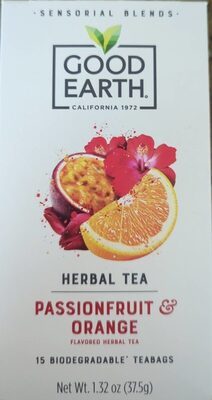
Foods that contain Liquorice Root
Compare products →
Learn more
Auto-generated content. This description was generated automatically and is pending editorial review. Inaccuracies are possible. Found a mistake? Contact us.