Live And Active Cultures: B
Auto-generated content. This description was generated automatically and is pending editorial review. Inaccuracies are possible. Found a mistake? Contact us.
What it is
Live and active cultures are specific strains of beneficial bacteria and yeasts used in the production of fermented foods. They are typically added to foods like yogurt and kefir to initiate and drive the fermentation process, converting sugars into lactic acid.
Why it's used
Manufacturers add live and active cultures to foods to create the characteristic tangy flavor and creamy texture of fermented products. They are essential for the production of yogurt, kefir, and some cheeses, and are often added to other foods to enhance their probiotic content.
Health notes
Live and active cultures are generally recognized as safe (GRAS) by the FDA for use in food. They are considered beneficial for gut health by many health organizations, though specific health claims require further scientific substantiation. International bodies like EFSA have evaluated the safety of specific probiotic strains, but do not set a numeric acceptable daily intake. Research into the long-term health effects of consuming various probiotic strains is ongoing.
Allergen info
Live and active cultures themselves are not derived from the major allergens. However, the food product they are added to may contain allergens (e.g., dairy in yogurt). Not a major allergen.
Products containing Live And Active Cultures: B
Compare products →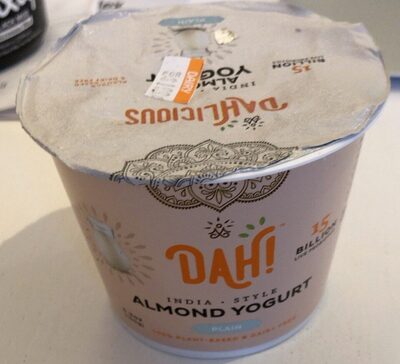 Dahlicious LLC
Plain Organic Almond Yogurt, Plain
107kcal
4Protein
9.3Fat
4Carbs
Dahlicious LLC
Plain Organic Almond Yogurt, Plain
107kcal
4Protein
9.3Fat
4Carbs