Bifidum
What is Bifidum?
Bifidum is a type of beneficial bacteria, often referred to as a probiotic. It is naturally found in the digestive tracts of humans and animals. It is typically grown in a laboratory setting for use in food products.
Is Bifidum vegan?
Bifidum is not animal-derived. Products that contain it can still include other animal-derived ingredients, so check the full ingredient list.
Is Bifidum gluten-free?
It does not contain gluten.
Is Bifidum a major allergen?
Bifidum is not derived from any of the 9 FDA major allergens.
What is Bifidum used for?
Bifidum is added to foods as a probiotic to potentially support gut health.
Is Bifidum safe?
Bifidum is generally recognized as safe (GRAS) by the FDA for use in foods.
Why it's used
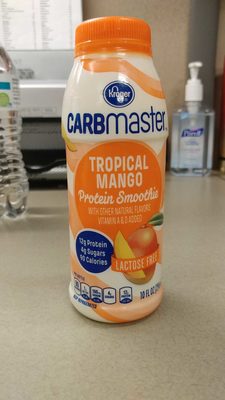
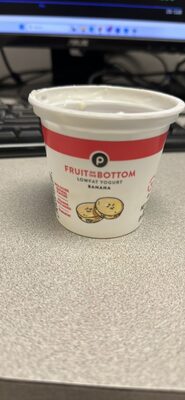
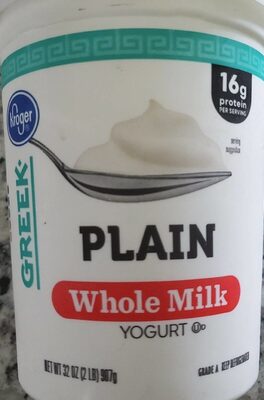
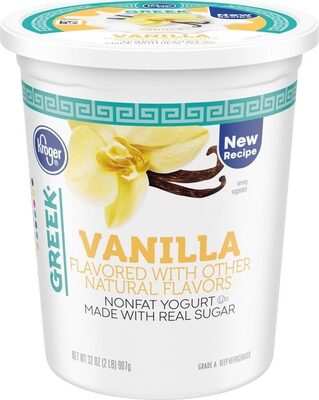
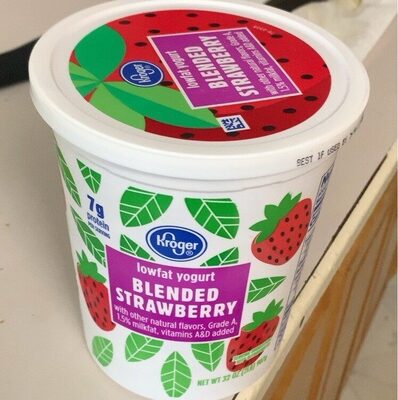
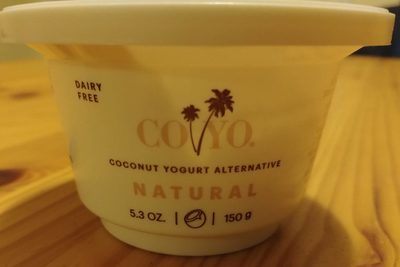
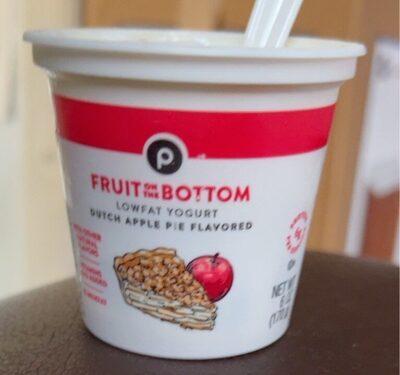
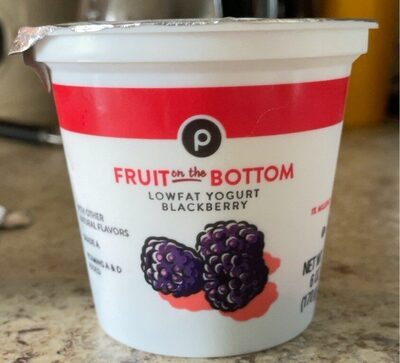
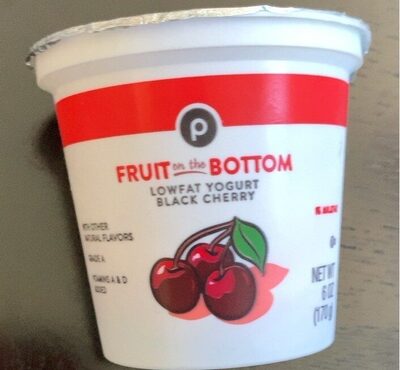
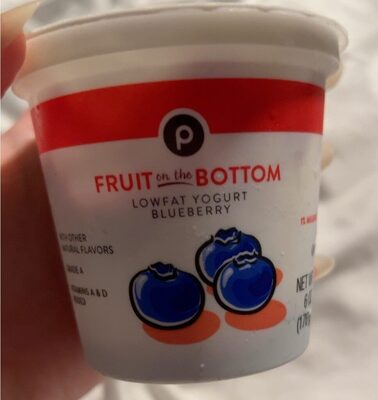
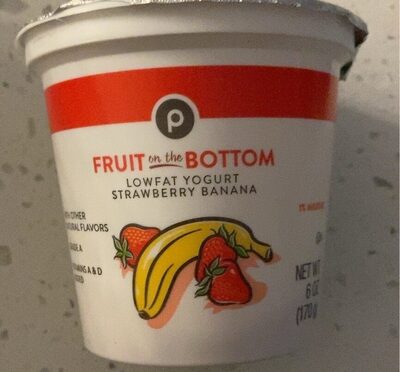
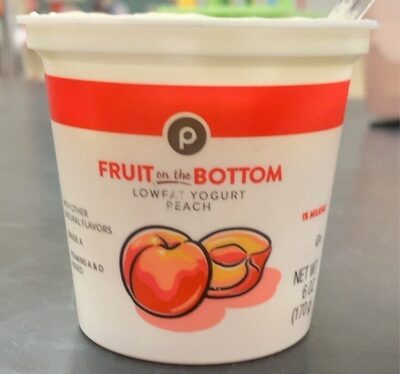
Bifidum is added to foods as a probiotic to potentially support gut health. It is commonly found in cultured dairy products like yogurt, as well as in some juices and frozen desserts. Manufacturers add it to provide a potential health benefit to consumers.
Health notes
Bifidum is generally recognized as safe (GRAS) by the FDA for use in foods. Probiotics like Bifidum are consumed for their potential to support a healthy gut microbiome. International bodies such as the WHO and EFSA have reviewed probiotics, but do not typically set specific intake limits for individual strains in foods. Research on the specific health effects of Bifidum is ongoing, with some studies suggesting benefits for digestive health.
Allergen info
Bifidum is not derived from any of the 9 FDA major allergens. It does not contain gluten.
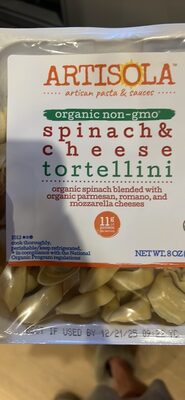
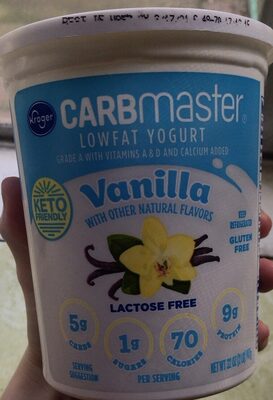
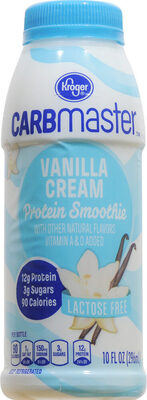
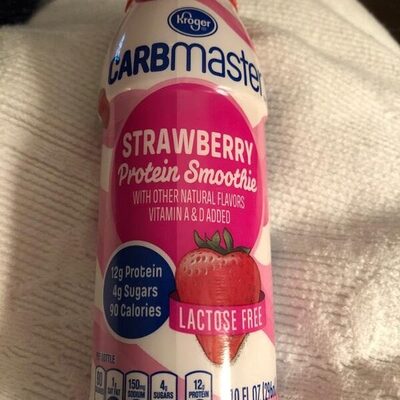
Foods that contain Bifidum
Compare products →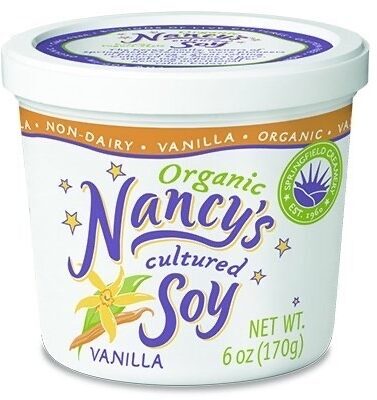
Auto-generated content. This description was generated automatically and is pending editorial review. Inaccuracies are possible. Found a mistake? Contact us.