Live Cultures: Lactobacillus Bulgaricus
Auto-generated content. This description was generated automatically and is pending editorial review. Inaccuracies are possible. Found a mistake? Contact us.
What it is
Lactobacillus bulgaricus is a type of bacteria that occurs naturally in the digestive tract of humans and animals. It is commonly used in the food industry to ferment milk into yogurt. This process gives yogurt its characteristic tangy flavor and texture.
Why it's used
Lactobacillus bulgaricus is added to foods as a live culture to aid in fermentation, primarily in dairy products like yogurt. It contributes to the desired texture and taste of these products. It is also sometimes found in other fermented foods.
Health notes
Lactobacillus bulgaricus is generally recognized as safe (GRAS) by the FDA for use in food. It is considered a probiotic, meaning it may provide health benefits when consumed as part of a balanced diet. International bodies like EFSA have evaluated probiotics, and research is ongoing regarding the specific health effects of different strains.
Allergen info
Not a major allergen. It is a bacteria, not derived from any of the 9 major allergens. It does not contain gluten.
Products containing Live Cultures: Lactobacillus Bulgaricus
Compare products →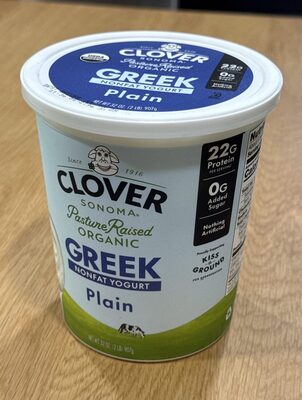 Clover Stornetta Farms, Inc.
Plain Organic Greek Yogurt, Plain
57kcal
9.7Protein
0Fat
4.8Carbs
Clover Stornetta Farms, Inc.
Strawberry Organic Greek Yogurt, Strawberry
80kcal
8Protein
0Fat
11.3Carbs
Clover Stornetta Farms, Inc.
Blueberry Organic Greek Yogurt, Blueberry
73kcal
8Protein
0Fat
10.7Carbs
Clover Stornetta Farms, Inc.
Plain Organic Greek Yogurt, Plain
57kcal
9.7Protein
0Fat
4.8Carbs
Clover Stornetta Farms, Inc.
Strawberry Organic Greek Yogurt, Strawberry
80kcal
8Protein
0Fat
11.3Carbs
Clover Stornetta Farms, Inc.
Blueberry Organic Greek Yogurt, Blueberry
73kcal
8Protein
0Fat
10.7Carbs