Makara Cinnamon
Auto-generated content. This description was generated automatically and is pending editorial review. Inaccuracies are possible. Found a mistake? Contact us.
What it is
Makara cinnamon, also known as Ceylon cinnamon or 'true' cinnamon, is derived from the inner bark of the *Cinnamomum verum* tree, native to Sri Lanka. The bark is carefully peeled, dried, and then rolled into quills or ground into a powder.
Why it's used
Makara cinnamon is primarily used as a spice and flavoring agent, imparting a warm, sweet, and woody aroma and taste. It is commonly found in baked goods like breads and pastries, desserts, breakfast items, and beverages.
Health notes
Makara cinnamon is generally recognized as safe (GRAS) by the FDA when used as a food ingredient. It is a source of antioxidants and has been studied for potential effects on blood sugar and inflammation, though research is ongoing and results can be mixed. The Joint FAO/WHO Expert Committee on Food Additives (JECFA) and the European Food Safety Authority (EFSA) have evaluated cinnamon, but they have not set specific numerical limits for its consumption as a food ingredient.
Allergen info
Makara cinnamon is not one of the nine major allergens recognized by the FDA. It does not contain gluten.
Products containing Makara Cinnamon
Compare products →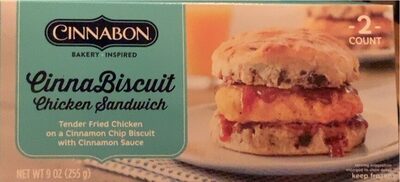 Golden West Trading, Inc.
Cinnabiscuit Chicken Sandwich Tender Fried Chicken On A Cinnamon Chip Biscuit With Cinnamon Sauce, Cinnabiscuit Chicken Sandwich
High in sodium — 30% DV per serving
High in saturated fat — 23% DV per serving
High in added sugars — 22% DV per serving
250kcal
9.4Protein
9.4Fat
32.0Carbs
Golden West Trading, Inc.
Jalapeno Cheddar Sausage Bites, Jalapeno Cheddar
298kcal
10.5Protein
14.0Fat
28.1Carbs
Golden West Trading, Inc.
Cinnabiscuit Chicken Sandwich Tender Fried Chicken On A Cinnamon Chip Biscuit With Cinnamon Sauce, Cinnabiscuit Chicken Sandwich
High in sodium — 30% DV per serving
High in saturated fat — 23% DV per serving
High in added sugars — 22% DV per serving
250kcal
9.4Protein
9.4Fat
32.0Carbs
Golden West Trading, Inc.
Jalapeno Cheddar Sausage Bites, Jalapeno Cheddar
298kcal
10.5Protein
14.0Fat
28.1Carbs
 Mannon Specialty Foods, Inc.
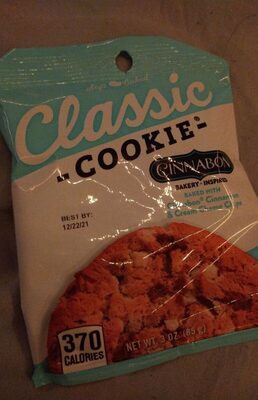
Soft Baked Cinnabon Cinnamon & Cream Cheese Chips, Cinnabon Cinnamon & Cream Cheese Chips
High in saturated fat — 40% DV per serving
High in added sugars — 60% DV per serving
435kcal
4.7Protein
16.5Fat
64.7Carbs
Pinnacle Foods Group LLC
Cinnamon Swirl Bagel Shop Bagels, Cinnamon Swirl
296kcal
8.6Protein
3.1Fat
58.0Carbs
Mannon Specialty Foods, Inc.
Soft Baked Cinnabon Cinnamon & Cream Cheese Chips, Cinnabon Cinnamon & Cream Cheese Chips
High in saturated fat — 40% DV per serving
High in added sugars — 60% DV per serving
435kcal
4.7Protein
16.5Fat
64.7Carbs
Pinnacle Foods Group LLC
Cinnamon Swirl Bagel Shop Bagels, Cinnamon Swirl
296kcal
8.6Protein
3.1Fat
58.0Carbs