Malic Acid Citric Acid
Auto-generated content. This description was generated automatically and is pending editorial review. Inaccuracies are possible. Found a mistake? Contact us.
What it is
Malic acid and citric acid are organic acids naturally found in fruits like apples and lemons, respectively. They are commonly produced industrially through fermentation processes using microorganisms or by chemical synthesis. These acids are widely used in the food industry for their tart taste and preservative qualities.
Why it's used
These acids are primarily used as acidity regulators and flavor enhancers in a variety of foods and beverages. They provide a sour or tart taste, similar to that of citrus fruits, and can also help preserve food by lowering its pH. You can find them in candies, soft drinks, jams, jellies, and baked goods.
Health notes
Malic acid and citric acid are generally recognized as safe (GRAS) by the FDA for use in food. They are common components of our diet, found naturally in many fruits. International bodies like JECFA and EFSA have evaluated these substances. At typical consumption levels found in food, they are not associated with adverse health effects. Research has explored their roles in energy metabolism, but more study is needed to fully understand any potential benefits or impacts.
Allergen info
Malic acid and citric acid are not derived from any of the FDA's major allergens. They do not contain gluten.
Products containing Malic Acid Citric Acid
Compare products →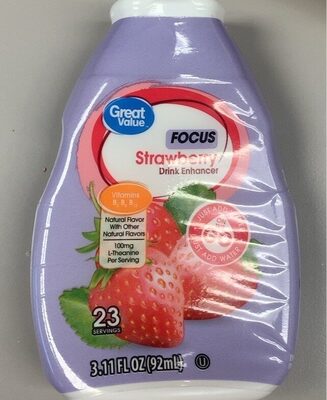 Wal-Mart Stores, Inc.
Strawberry Drink Enhancer, Strawberry
0kcal
0Protein
0Fat
25Carbs
McIlhenny Company
Spartan, Liquid Water Enhancer, Strawberry Watermelon, Strawberry Watermelon
0kcal
0Protein
0Fat
0Carbs
Wal-Mart Stores, Inc.
Strawberry Drink Enhancer, Strawberry
0kcal
0Protein
0Fat
25Carbs
McIlhenny Company
Spartan, Liquid Water Enhancer, Strawberry Watermelon, Strawberry Watermelon
0kcal
0Protein
0Fat
0Carbs
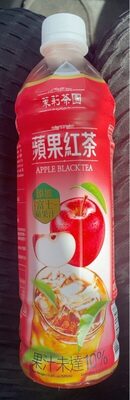 KUANG CHUAN DAIRY CO., LTD.
Kuang Chuan, Apple Black Tea, Apple
38kcal
0Protein
0Fat
9.2Carbs
KUANG CHUAN DAIRY CO., LTD.
Kuang Chuan, Apple Black Tea, Apple
38kcal
0Protein
0Fat
9.2Carbs
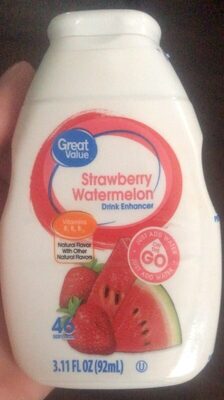 Wal-Mart Stores, Inc.
Strawberry Watermelon Drink Enhancer, Strawberry Watermelon
—kcal
0Protein
0Fat
—Carbs
Wal-Mart Stores, Inc.
Strawberry Watermelon Drink Enhancer, Strawberry Watermelon
—kcal
0Protein
0Fat
—Carbs
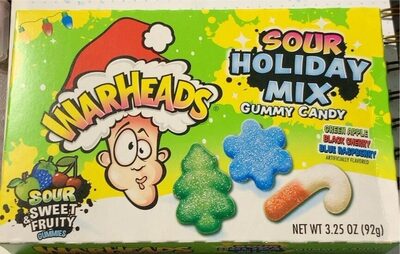 Imaginings 3
Sour. Holiday Mix Gummy Candy, Sour Sweet & Fruity Gummies, Green Apple, Black Cherry, Blue Raspberry
High in added sugars — 46% DV per serving
333kcal
3.3Protein
0Fat
76.7Carbs
Imaginings 3
Sour. Holiday Mix Gummy Candy, Sour Sweet & Fruity Gummies, Green Apple, Black Cherry, Blue Raspberry
High in added sugars — 46% DV per serving
333kcal
3.3Protein
0Fat
76.7Carbs