Maltitol Powder
What is Maltitol Powder?
Maltitol powder is a sugar alcohol, a type of carbohydrate that the body digests slowly. It is made from corn or wheat starch through a process that converts some of the starch to maltose, then hydrogenates the maltose to create maltitol.
Is Maltitol Powder vegan?
Maltitol Powder is not animal-derived. Products that contain it can still include other animal-derived ingredients, so check the full ingredient list.
Is Maltitol Powder gluten-free?
It does not contain gluten.
Is Maltitol Powder a major allergen?
Maltitol is not derived from any of the nine FDA major allergens.
What is Maltitol Powder used for?
Maltitol powder is used as a low-calorie sweetener in sugar-free and reduced-sugar products.
Is Maltitol Powder safe?
Maltitol is generally recognized as safe (GRAS) by the FDA for use as a sweetener.
Why it's used
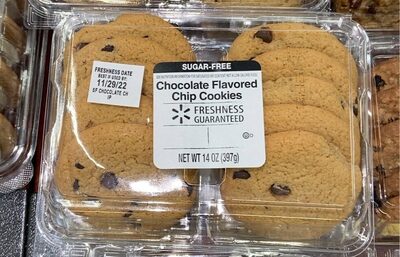
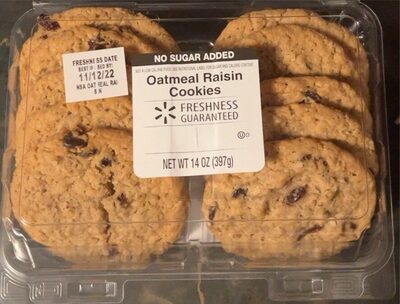
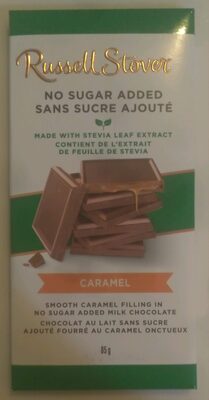
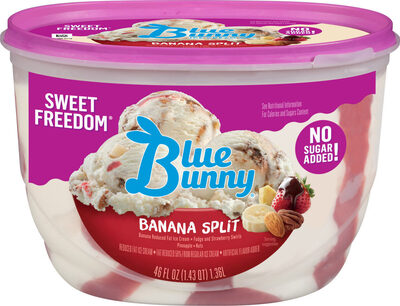
Maltitol powder is used as a low-calorie sweetener in sugar-free and reduced-sugar products. It provides sweetness similar to sucrose (table sugar) with fewer calories and does not contribute to tooth decay. It is commonly found in sugar-free candies, baked goods, ice cream, and chewing gum.
Health notes
Maltitol is generally recognized as safe (GRAS) by the FDA for use as a sweetener. Like other sugar alcohols, it can have a laxative effect if consumed in large amounts due to incomplete absorption in the small intestine. The Joint FAO/WHO Expert Committee on Food Additives (JECFA) has evaluated maltitol and established an acceptable daily intake. Evidence does not suggest significant health concerns at typical consumption levels.
Allergen info
Maltitol is not derived from any of the nine FDA major allergens. It does not contain gluten.
Foods that contain Maltitol Powder
Compare products →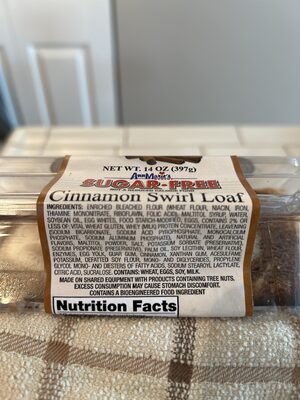
Learn more
Auto-generated content. This description was generated automatically and is pending editorial review. Inaccuracies are possible. Found a mistake? Contact us.