Maltrin
What is Maltrin?
Maltrin is a brand name for maltodextrins, which are digestible carbohydrates made from corn, rice, potato starch, or tapioca. They are produced through a process called hydrolysis, where starches are broken down into smaller chains of glucose molecules.
Is Maltrin vegan?
Maltrin is not animal-derived. Products that contain it can still include other animal-derived ingredients, so check the full ingredient list.
Is Maltrin gluten-free?
It does not contain gluten.
Is Maltrin a major allergen?
Maltrin is typically derived from corn or other starches and is not considered a major allergen.
What is Maltrin used for?
Manufacturers use Maltrin as a bulking agent, thickener, and texture enhancer.
Is Maltrin safe?
Maltrin (maltodextrin) is generally recognized as safe (GRAS) by the FDA for use in food.
Why it's used
Manufacturers use Maltrin as a bulking agent, thickener, and texture enhancer. It can also act as a carrier for flavors and sweeteners. You'll find it in a variety of processed foods, including beverages, confectionery, and snack items.
Health notes
Maltrin (maltodextrin) is generally recognized as safe (GRAS) by the FDA for use in food. It is a carbohydrate and provides calories, but it is rapidly digested and can affect blood sugar levels. International bodies like JECFA have evaluated maltodextrins. Some research suggests that maltodextrins may influence gut bacteria, but more studies are needed to understand the long-term effects.
Allergen info
Maltrin is typically derived from corn or other starches and is not considered a major allergen. It does not contain gluten.
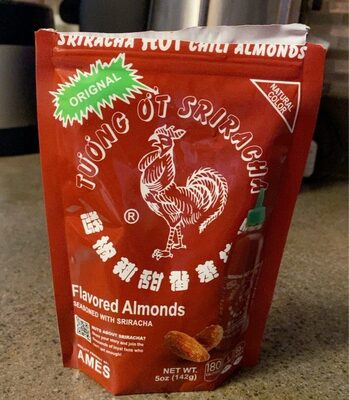
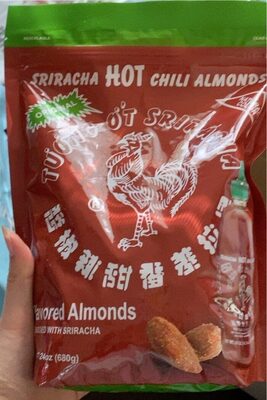
Foods that contain Maltrin
Compare products →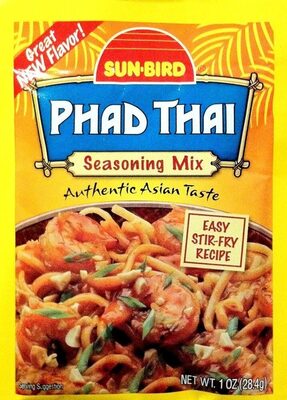
Auto-generated content. This description was generated automatically and is pending editorial review. Inaccuracies are possible. Found a mistake? Contact us.