Mandarin Oranges
Auto-generated content. This description was generated automatically and is pending editorial review. Inaccuracies are possible. Found a mistake? Contact us.
What it is
Mandarin oranges are a small, sweet citrus fruit native to Asia. They are typically eaten fresh or canned, often peeled and segmented for easier consumption. The canning process usually involves packing the fruit in syrup or juice.
Why it's used
Mandarin oranges are used as a fruit component in various dishes, adding a sweet and slightly tart flavor. They are commonly found in canned fruit mixes, fruit salads, deli salads, and as a topping for desserts or yogurt. Manufacturers use them for their natural sweetness and appealing color.
Health notes
Mandarin oranges are a source of vitamin C and fiber. The FDA considers them Generally Recognized As Safe (GRAS) for consumption. Regulatory bodies like the European Food Safety Authority (EFSA) have evaluated citrus fruits, and JECFA has established acceptable daily intakes for related compounds. At typical dietary intake levels, they are considered safe and contribute to a healthy diet.
Allergen info
Mandarin oranges are not one of the nine major allergens recognized by the FDA. They do not contain gluten.
Products containing Mandarin Oranges
Compare products →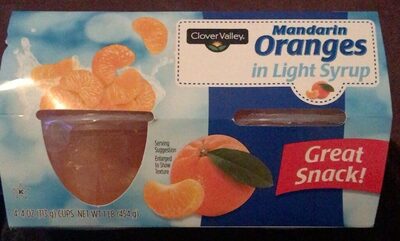 CLOVER VALLEY
Mandarin Oranges In Light Syrup, Mandarin Oranges
53kcal
0Protein
0Fat
13.3Carbs
Topco Associates, Inc.
Mandarin Oranges Segments In Light Syrup
70kcal
0.8Protein
0Fat
14.8Carbs
Topco Associates, Inc.
Mandarin Oranges Segments In Light Syrup
70kcal
0.8Protein
0Fat
14.8Carbs
Campbell Soup Company
V8, Flavored Vegetable & Fruit Beverage, Mandarin Orange Kiwi, Mandarin Orange Kiwi
28kcal
0.3Protein
0Fat
7.1Carbs
Topco Associates, Inc.
Mandarin Oranges Segments In Light Syrup
High in added sugars — 28% DV per serving
57kcal
0Protein
0Fat
15Carbs
CLOVER VALLEY
Mandarin Oranges In Light Syrup, Mandarin Oranges
53kcal
0Protein
0Fat
13.3Carbs
Topco Associates, Inc.
Mandarin Oranges Segments In Light Syrup
70kcal
0.8Protein
0Fat
14.8Carbs
Topco Associates, Inc.
Mandarin Oranges Segments In Light Syrup
70kcal
0.8Protein
0Fat
14.8Carbs
Campbell Soup Company
V8, Flavored Vegetable & Fruit Beverage, Mandarin Orange Kiwi, Mandarin Orange Kiwi
28kcal
0.3Protein
0Fat
7.1Carbs
Topco Associates, Inc.
Mandarin Oranges Segments In Light Syrup
High in added sugars — 28% DV per serving
57kcal
0Protein
0Fat
15Carbs