Mandarin Pulp
Auto-generated content. This description was generated automatically and is pending editorial review. Inaccuracies are possible. Found a mistake? Contact us.
What it is
Mandarin pulp consists of the juicy segments and membranes of the mandarin orange, a citrus fruit closely related to the orange. It is obtained by processing mandarin oranges, often through methods that separate the pulp from the peel and seeds while retaining the characteristic texture and flavor.
Why it's used
Mandarin pulp is added to foods and beverages to provide a natural citrus flavor, texture, and visual appeal. It is commonly found in fruit juices, nectars, and other fruit-flavored drinks, where it enhances the authentic fruit experience.
Health notes
Mandarin pulp is generally recognized as safe (GRAS) by the FDA when used as a food ingredient. It is a source of vitamin C and dietary fiber. International bodies like JECFA have evaluated mandarin oranges and their components, but no specific health concerns are typically associated with its consumption at normal dietary levels. Evidence does not suggest adverse effects from typical intake.
Allergen info
Mandarin pulp is not derived from any of the nine FDA major allergens. It does not contain gluten.
Products containing Mandarin Pulp
Compare products →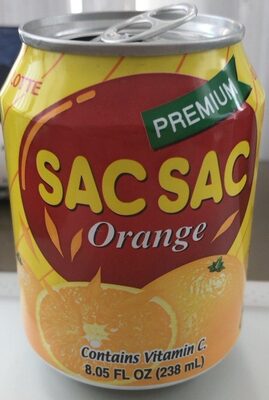 LOTTE CHILSUNG BEVERAGE CO., LTD.
Premium Orange Extra Pulp
55kcal
0Protein
0Fat
12.6Carbs
Rhee Bros. Inc.
Sac Sac Fruit Juice, Orange
55kcal
0Protein
0Fat
12.6Carbs
LOTTE CHILSUNG BEVERAGE CO., LTD.
Premium Orange Extra Pulp
55kcal
0Protein
0Fat
12.6Carbs
Rhee Bros. Inc.
Sac Sac Fruit Juice, Orange
55kcal
0Protein
0Fat
12.6Carbs
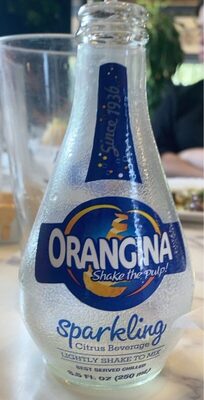 Ventures Food & Beverage, LLC
Citrus Sparkling Beverage, Citrus
High in added sugars — 42% DV per serving
40kcal
0Protein
0Fat
9.6Carbs
Ventures Food & Beverage, LLC
Citrus Sparkling Beverage, Citrus
High in added sugars — 42% DV per serving
40kcal
0Protein
0Fat
9.6Carbs
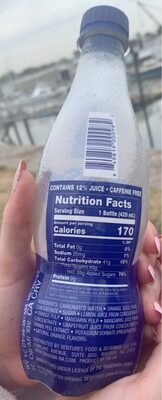 Ventures Food & Beverage, LLC
Sparkling Citrus Beverage Best Served Chilled
High in added sugars — 70% DV per serving
40kcal
0Protein
0Fat
9.8Carbs
Ventures Food & Beverage, LLC
Sparkling Citrus Beverage Best Served Chilled
High in added sugars — 70% DV per serving
40kcal
0Protein
0Fat
9.8Carbs
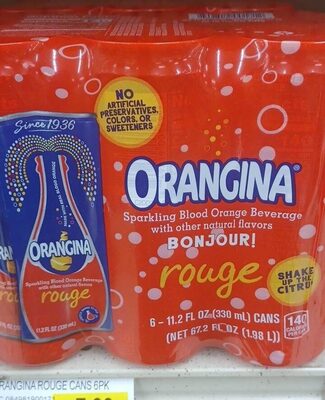 Ventures Food & Beverage, LLC
Blood Orange Sparkling Beverage, Blood Orange
High in added sugars — 58% DV per serving
42kcal
0Protein
0Fat
10.3Carbs
Ventures Food & Beverage, LLC
Blood Orange Sparkling Beverage, Blood Orange
High in added sugars — 58% DV per serving
42kcal
0Protein
0Fat
10.3Carbs