Mannitol
What is Mannitol?
Mannitol is a sugar alcohol, a type of carbohydrate. It occurs naturally in some fruits and vegetables, like mushrooms and seaweed. It can also be produced commercially through the hydrogenation of fructose, often derived from corn or beet sugar.
Is Mannitol vegan?
Mannitol is not animal-derived. Products that contain it can still include other animal-derived ingredients, so check the full ingredient list.
Is Mannitol gluten-free?
It does not contain gluten.
Is Mannitol a major allergen?
Mannitol is not derived from any of the nine FDA major allergens.
What is Mannitol used for?
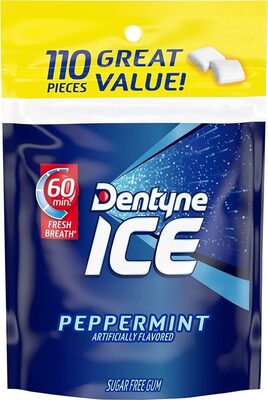
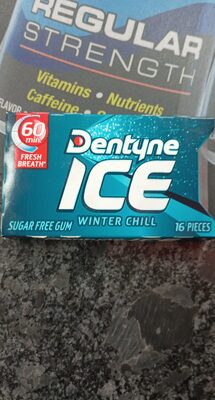
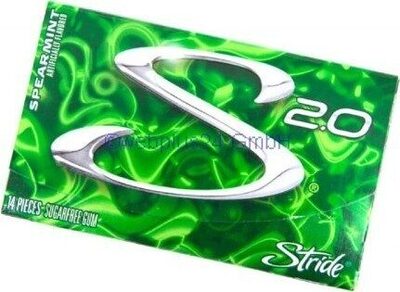
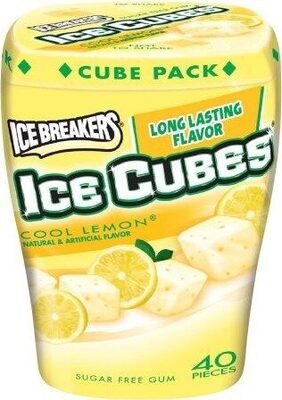
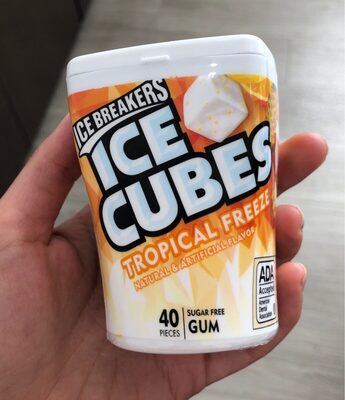
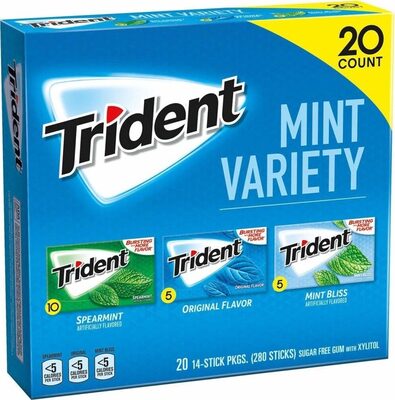
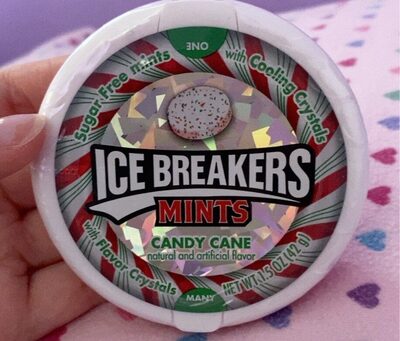
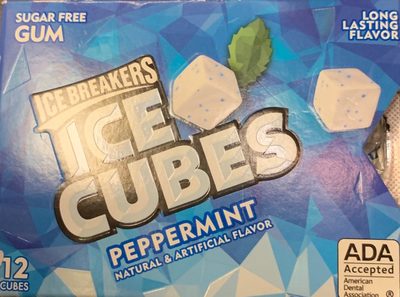
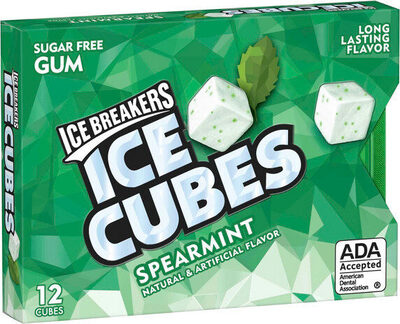
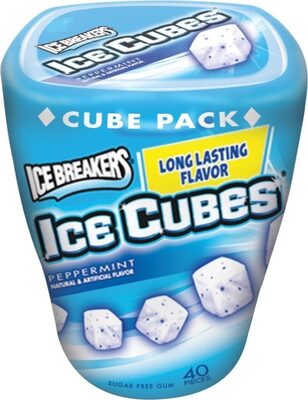
Mannitol is used as a low-calorie sweetener and bulking agent in sugar-free foods, particularly in confectionery, chewing gum, and mints.
Is Mannitol safe?
In the U.S., mannitol is Generally Recognized As Safe (GRAS) by the FDA for use in food.
Why it's used
Mannitol is used as a low-calorie sweetener and bulking agent in sugar-free foods, particularly in confectionery, chewing gum, and mints. It provides sweetness and texture without contributing as many calories as regular sugar. It is also sometimes used as a dusting powder for candies and baked goods to prevent sticking.
Health notes
In the U.S., mannitol is Generally Recognized As Safe (GRAS) by the FDA for use in food. It is poorly absorbed by the body and can have a laxative effect if consumed in large amounts. European food authorities have also evaluated mannitol, and it is approved for use in the EU. While generally considered safe, excessive consumption may lead to digestive discomfort for some individuals.
Allergen info
Mannitol is not derived from any of the nine FDA major allergens. It does not contain gluten.
Foods that contain Mannitol
Compare products →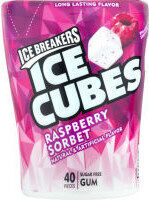
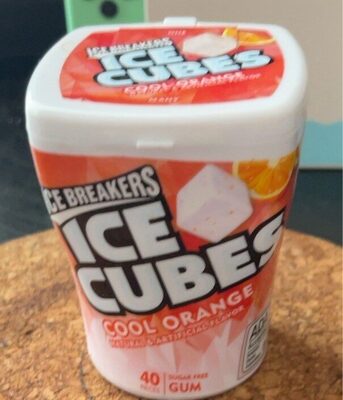
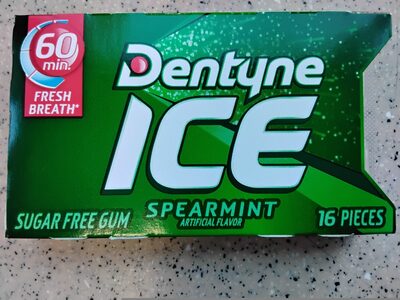
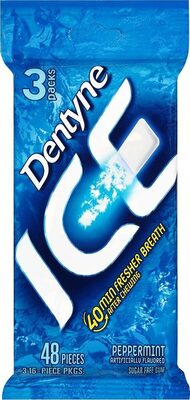
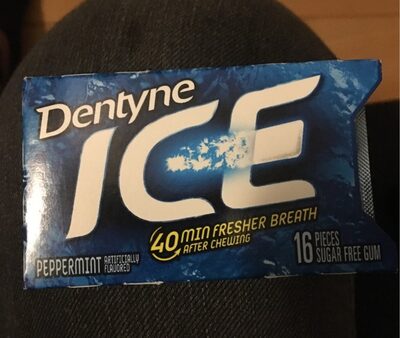
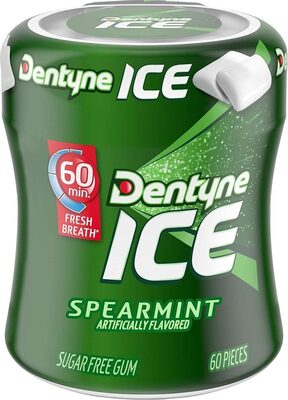
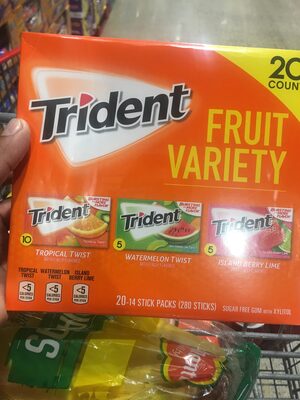
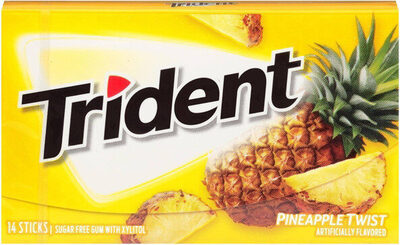

Learn more
Auto-generated content. This description was generated automatically and is pending editorial review. Inaccuracies are possible. Found a mistake? Contact us.