May Contain Cane Sugar
This entry is a label phrase. See the main ingredient page: Cane Sugar.
What is May Contain Cane Sugar?
Cane sugar is a common type of sugar made from sugarcane plants. It is chemically known as sucrose, a disaccharide composed of glucose and fructose. The sugarcane stalks are crushed to extract their juice, which is then purified, concentrated, and crystallized to produce sugar.
Is May Contain Cane Sugar vegan?
May Contain Cane Sugar is not animal-derived. Products that contain it can still include other animal-derived ingredients, so check the full ingredient list.
Is May Contain Cane Sugar a major allergen?
Not a major allergen.
What is May Contain Cane Sugar used for?
Cane sugar is primarily used as a sweetener in a vast array of food products, including baked goods, beverages, desserts, and sauces.
Is May Contain Cane Sugar safe?
The U.S. Food and Drug Administration (FDA) considers sugar, including cane sugar, to be Generally Recognized As Safe (GRAS).
Why it's used
Cane sugar is primarily used as a sweetener in a vast array of food products, including baked goods, beverages, desserts, and sauces. Beyond its sweet taste, it also contributes to food texture, acts as a preservative, and helps with browning in baked items.
Health notes
The U.S. Food and Drug Administration (FDA) considers sugar, including cane sugar, to be Generally Recognized As Safe (GRAS). JECFA (the Joint FAO/WHO Expert Committee on Food Additives) has evaluated sugars. While sugar provides energy, high intake of added sugars is a public health concern. The 2025-2030 Dietary Guidelines for Americans recommend no amount of added sugars, and at most 10 grams per meal. The World Health Organization (WHO) advises limiting free sugars to less than 10% of total energy intake.
Allergen info
Not a major allergen.
Foods that contain May Contain Cane Sugar
Compare products →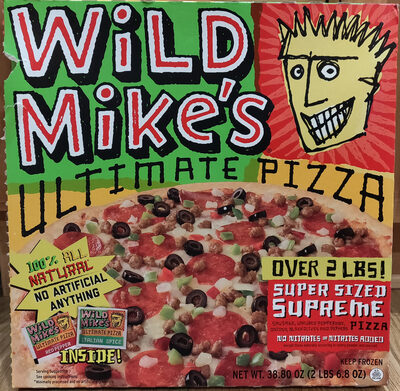 S.A. Piazza & Associates, LLC
Super Sized Supreme Sausage, Uncured Pepperoni, Onions, Black Olives And Peppers Ultimate Pizza, Sausage, Uncured Pepperoni, Onions, Black Olives And Peppers
High in saturated fat — 30% DV per serving
232kcal
9.4Protein
9.4Fat
29.0Carbs
S.A. Piazza & Associates, LLC
Super Sized Supreme Sausage, Uncured Pepperoni, Onions, Black Olives And Peppers Ultimate Pizza, Sausage, Uncured Pepperoni, Onions, Black Olives And Peppers
High in saturated fat — 30% DV per serving
232kcal
9.4Protein
9.4Fat
29.0Carbs
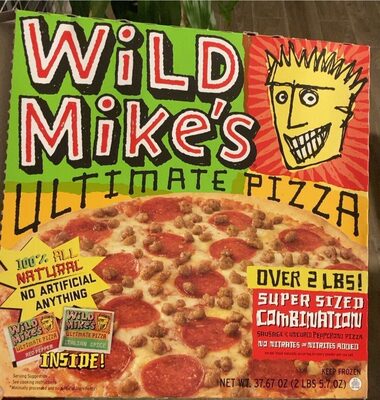 S.A. Piazza & Associates, LLC
Combination Sausage & Uncured Pepperoni Ultimate Pizza, Combination
High in sodium — 28% DV per serving
High in saturated fat — 40% DV per serving
269kcal
9.7Protein
11.2Fat
26.9Carbs
S.A. Piazza & Associates, LLC
Super Sized Uncured Pepperoni Ultimate Pizza, Uncured Pepperoni
High in sodium — 21% DV per serving
High in saturated fat — 30% DV per serving
246kcal
10Protein
10Fat
29.2Carbs
S.A. Piazza & Associates, LLC
Combination Sausage & Uncured Pepperoni Ultimate Pizza, Combination
High in sodium — 28% DV per serving
High in saturated fat — 40% DV per serving
269kcal
9.7Protein
11.2Fat
26.9Carbs
S.A. Piazza & Associates, LLC
Super Sized Uncured Pepperoni Ultimate Pizza, Uncured Pepperoni
High in sodium — 21% DV per serving
High in saturated fat — 30% DV per serving
246kcal
10Protein
10Fat
29.2Carbs
Learn more
Auto-generated content. This description was generated automatically and is pending editorial review. Inaccuracies are possible. Found a mistake? Contact us.