Min. 90
What is Min. 90?
Min. 90 is a sweetener derived from corn. It is a type of high-fructose corn syrup that has been processed to increase its fructose content, typically to 90% of the total sugars.
Is Min. 90 vegan?
Min. 90 is not animal-derived. Products that contain it can still include other animal-derived ingredients, so check the full ingredient list.
Is Min. 90 a major allergen?
Not a major allergen.
What is Min. 90 used for?
Manufacturers use Min. 90 as a sweetener in a variety of food products.
Is Min. 90 safe?
Min. 90 is generally recognized as safe (GRAS) by the FDA when used as intended.
Why it's used
Manufacturers use Min. 90 as a sweetener in a variety of food products. Its intense sweetness allows for reduced usage compared to other sweeteners. It is often found in condiments, sauces, and other processed foods where a sweet flavor is desired.
Health notes
Min. 90 is generally recognized as safe (GRAS) by the FDA when used as intended. Like other added sugars, excessive consumption of Min. 90 can contribute to health issues such as weight gain and an increased risk of type 2 diabetes. International bodies like JECFA have evaluated high-fructose corn syrups, but specific evaluations for 'Min. 90' may vary. Research on the health impacts of high-fructose corn syrup compared to other sugars is ongoing, with some studies suggesting potential differences in metabolic effects.
Allergen info
Not a major allergen.
Foods that contain Min. 90
Compare products →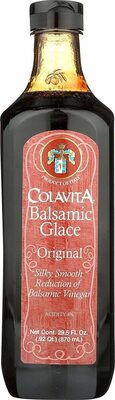
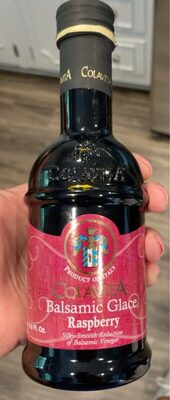
Learn more
Auto-generated content. This description was generated automatically and is pending editorial review. Inaccuracies are possible. Found a mistake? Contact us.