Minimum Solids In The Chocolate: Cocoa 39
Auto-generated content. This description was generated automatically and is pending editorial review. Inaccuracies are possible. Found a mistake? Contact us.
What it is
Minimum solids in chocolate refers to the minimum percentage of cocoa solids required in a chocolate product. Cocoa solids are the non-fat components of the cocoa bean, including flavor compounds and antioxidants. The percentage indicates the minimum amount of these desirable cocoa components.
Why it's used
This specification ensures a certain level of chocolate flavor and quality. It is primarily used in the manufacturing of various types of chocolate, including milk chocolate, dark chocolate, and white chocolate, to meet industry standards and consumer expectations for richness and taste.
Health notes
Cocoa solids contain flavanols, which are plant compounds studied for potential health benefits. The FDA does not specifically regulate 'minimum solids in chocolate' as an additive, but rather as a quality standard for cocoa products. Regulatory bodies like EFSA and JECFA have evaluated cocoa and its components, recognizing their presence in the diet. Research into the health effects of flavanols is ongoing, with some studies suggesting benefits for cardiovascular health, while others show mixed results.
Allergen info
Cocoa itself is not one of the 9 FDA major allergens. However, chocolate products may contain other allergens such as milk, soy (lecithin), or tree nuts, depending on the specific ingredients and manufacturing processes.
Products containing Minimum Solids In The Chocolate: Cocoa 39
Compare products →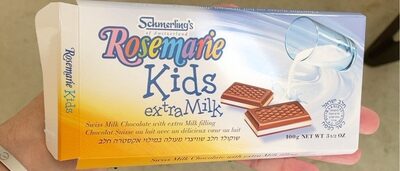 Maestrani Schweizer
Kids Swiss Milk Chocolate With Extra Milk Filling, Swiss Milk Chocolate
598kcal
7.5Protein
42.5Fat
47.5Carbs
Maestrani Schweizer
Kids Swiss Milk Chocolate With Extra Milk Filling, Swiss Milk Chocolate
598kcal
7.5Protein
42.5Fat
47.5Carbs
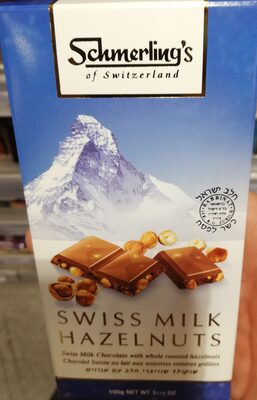 Maestrani Schweizer
Swiss Milk Chocolate With Whole Roasted Hazelnuts, Milk Roasted Hazelnuts
605kcal
7.5Protein
45Fat
42.5Carbs
Maestrani Schweizer
Coffee Filled Swiss Milk Chocolate, Rosemarie Cappuccino, Rosemarie Cappuccino
High in saturated fat — 40% DV per serving
High in added sugars — 30% DV per serving
582kcal
7.5Protein
40Fat
47.5Carbs
Maestrani Schweizer
Swiss Milk Chocolate With Whole Roasted Hazelnuts, Milk Roasted Hazelnuts
605kcal
7.5Protein
45Fat
42.5Carbs
Maestrani Schweizer
Coffee Filled Swiss Milk Chocolate, Rosemarie Cappuccino, Rosemarie Cappuccino
High in saturated fat — 40% DV per serving
High in added sugars — 30% DV per serving
582kcal
7.5Protein
40Fat
47.5Carbs
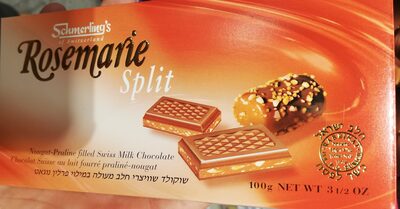 Maestrani Schweizer
Rosemarie Split
High in saturated fat — 40% DV per serving
High in added sugars — 30% DV per serving
600kcal
7.5Protein
42.5Fat
45Carbs
Maestrani Schweizer
Rosemarie Split
High in saturated fat — 40% DV per serving
High in added sugars — 30% DV per serving
600kcal
7.5Protein
42.5Fat
45Carbs
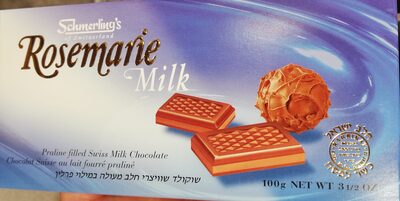 Maestrani Schweizer
Rosemarie Milk Praline Filled Swiss Milk Chocolate
High in saturated fat — 40% DV per serving
High in added sugars — 30% DV per serving
590kcal
7.5Protein
40Fat
47.5Carbs
Maestrani Schweizer
Rosemarie Milk Praline Filled Swiss Milk Chocolate
High in saturated fat — 40% DV per serving
High in added sugars — 30% DV per serving
590kcal
7.5Protein
40Fat
47.5Carbs