Mint Cups
What is Mint Cups?
Mint cups are small confectionery pieces, typically made from chocolate and a mint-flavored filling. They are designed to add flavor, texture, and visual interest to food products.
Is Mint Cups vegan?
No. Mint Cups is animal-derived, so it is not vegan.
Is Mint Cups a major allergen?
Mint cups are typically made with ingredients that are major allergens.
What is Mint Cups used for?
In packaged foods, mint cups are primarily used as inclusions in ice cream and frozen yogurt.
Is Mint Cups safe?
As a composite food ingredient rather than a single food additive, mint cups do not have a specific regulatory status like GRAS (Generally Recognized As Safe) or an approved additive by the FDA.
Why it's used
In packaged foods, mint cups are primarily used as inclusions in ice cream and frozen yogurt. They provide a distinct mint and chocolate flavor, a contrasting texture, and an appealing appearance to these frozen desserts.
Health notes
As a composite food ingredient rather than a single food additive, mint cups do not have a specific regulatory status like GRAS (Generally Recognized As Safe) or an approved additive by the FDA. Their safety is determined by the safety of their individual components. Regulatory bodies like JECFA or EFSA do not evaluate composite food items like mint cups.
Allergen info
Mint cups are typically made with ingredients that are major allergens. Common allergens found in mint cups include milk (from chocolate and dairy-based fillings) and soy (often from soy lecithin in chocolate). Depending on the specific formulation, they may also contain other allergens like wheat or tree nuts.
Foods that contain Mint Cups
Compare products →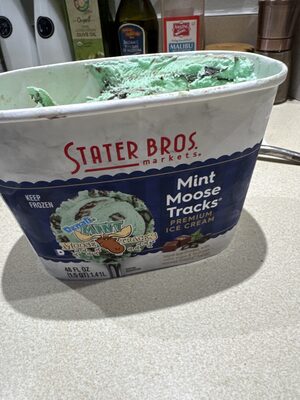
Auto-generated content. This description was generated automatically and is pending editorial review. Inaccuracies are possible. Found a mistake? Contact us.