Mixed Carotenes
Auto-generated content. This description was generated automatically and is pending editorial review. Inaccuracies are possible. Found a mistake? Contact us.
What it is
Mixed carotenes are a group of naturally occurring pigments found in many fruits and vegetables, such as carrots, sweet potatoes, and spinach. They are often extracted from these plant sources or produced through fermentation. Beta-carotene is the most common form and can be converted to vitamin A in the body.
Why it's used
Manufacturers use mixed carotenes primarily as a natural coloring agent, providing yellow, orange, and red hues. They are found in a variety of foods and beverages, including juices, nectars, teas, dairy products, and baked goods, to enhance visual appeal.
Health notes
Mixed carotenes are generally recognized as safe (GRAS) by the FDA for use as a food coloring. As a source of beta-carotene, they contribute to vitamin A intake, which is essential for vision, immune function, and cell growth. Regulatory bodies like JECFA and EFSA have evaluated carotenes, and they are widely consumed without known adverse effects at typical dietary levels. Evidence suggests that high doses of beta-carotene supplements may increase lung cancer risk in smokers, but this is not typically a concern with dietary intake from food.
Allergen info
Mixed carotenes are derived from plants and are not one of the 9 FDA major allergens. They do not contain gluten.
Products containing Mixed Carotenes
Compare products →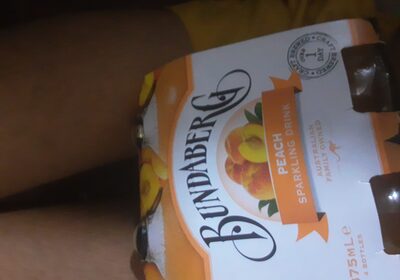 Bundaberg Brewed Drinks Pty Ltd
Sparkling Drink
47kcal
0Protein
0Fat
11.5Carbs
Bundaberg Brewed Drinks Pty Ltd
Bundaberg, Flavoured Sparkling Drink, Peach
47kcal
0Protein
0Fat
11.5Carbs
Walgreens Co.
Premium Belgian Chocolates
High in saturated fat — 25% DV per serving
528kcal
4Protein
32Fat
52Carbs
Burtons Gold Medal Biscuits
Crunchie Biscuits, Crunchie
High in saturated fat — 23% DV per serving
485kcal
6.1Protein
24.2Fat
63.6Carbs
Colton Partners LLC
Raspberry, Peach, Cola, Pineapple, Apple, Strawberry, Cherry, Forest Fruit, Lemon & Lime Sour! Truly Fruits, Raspberry, Peach, Cola, Pineapple, Apple, Strawberry, Cherry, Forest Fruit, Lemon & Lime
367kcal
0Protein
0Fat
90Carbs
Bundaberg Brewed Drinks Pty Ltd
Sparkling Drink
47kcal
0Protein
0Fat
11.5Carbs
Bundaberg Brewed Drinks Pty Ltd
Bundaberg, Flavoured Sparkling Drink, Peach
47kcal
0Protein
0Fat
11.5Carbs
Walgreens Co.
Premium Belgian Chocolates
High in saturated fat — 25% DV per serving
528kcal
4Protein
32Fat
52Carbs
Burtons Gold Medal Biscuits
Crunchie Biscuits, Crunchie
High in saturated fat — 23% DV per serving
485kcal
6.1Protein
24.2Fat
63.6Carbs
Colton Partners LLC
Raspberry, Peach, Cola, Pineapple, Apple, Strawberry, Cherry, Forest Fruit, Lemon & Lime Sour! Truly Fruits, Raspberry, Peach, Cola, Pineapple, Apple, Strawberry, Cherry, Forest Fruit, Lemon & Lime
367kcal
0Protein
0Fat
90Carbs