Monk Fruit Powder
What is Monk Fruit Powder?
Monk fruit powder is a sweetener derived from the monk fruit, a small, round fruit native to Southeast Asia. The fruit is crushed, and its juice is extracted and then dried to create the powder. It is known for its intense sweetness.
Is Monk Fruit Powder vegan?
Monk Fruit Powder is not animal-derived. Products that contain it can still include other animal-derived ingredients, so check the full ingredient list.
Is Monk Fruit Powder gluten-free?
It is also gluten-free.
Is Monk Fruit Powder a major allergen?
Monk fruit powder is not derived from any of the nine FDA major allergens.
What is Monk Fruit Powder used for?
Manufacturers use monk fruit powder as a natural, zero-calorie sweetener.
Is Monk Fruit Powder safe?
In the United States, monk fruit extract is generally recognized as safe (GRAS) by the FDA for use as a sweetener.
Why it's used
Manufacturers use monk fruit powder as a natural, zero-calorie sweetener. It is often found in a variety of food and beverage products, including yogurts, ice creams, protein drinks, and baked goods, to reduce sugar content while maintaining sweetness.
Health notes
In the United States, monk fruit extract is generally recognized as safe (GRAS) by the FDA for use as a sweetener. Regulatory bodies like the Joint FAO/WHO Expert Committee on Food Additives (JECFA) and the European Food Safety Authority (EFSA) have evaluated monk fruit extracts. At typical consumption levels, it is not associated with adverse health effects. Research is ongoing into its potential antioxidant properties, but more studies are needed.
Allergen info
Monk fruit powder is not derived from any of the nine FDA major allergens. It is also gluten-free.
Foods that contain Monk Fruit Powder
Compare products →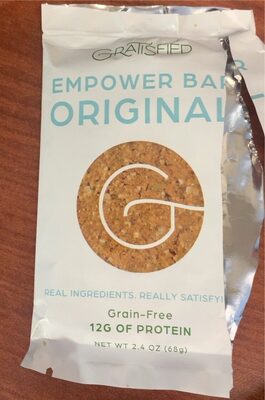
Learn more
Auto-generated content. This description was generated automatically and is pending editorial review. Inaccuracies are possible. Found a mistake? Contact us.