Monk Juice Concentrate
What is Monk Juice Concentrate?
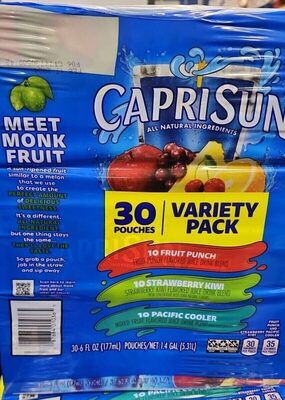
Monk fruit extract, also known as luo han guo extract, comes from the monk fruit, a small, round fruit native to Southeast Asia. The extract is produced by removing the seeds and skin of the fruit and then crushing the pulp to extract the juice, which is then dried into a powder.
Is Monk Juice Concentrate vegan?
Monk Juice Concentrate is not animal-derived. Products that contain it can still include other animal-derived ingredients, so check the full ingredient list.
Is Monk Juice Concentrate gluten-free?
It does not contain gluten.
Is Monk Juice Concentrate a major allergen?
Monk fruit extract is not derived from any of the nine major allergens recognized by the FDA.
What is Monk Juice Concentrate used for?
Monk fruit extract is used as a natural, zero-calorie sweetener in a variety of food and beverage products.
Is Monk Juice Concentrate safe?
In the U.S., monk fruit extract is generally recognized as safe (GRAS) by the FDA for use as a sweetener.
Why it's used
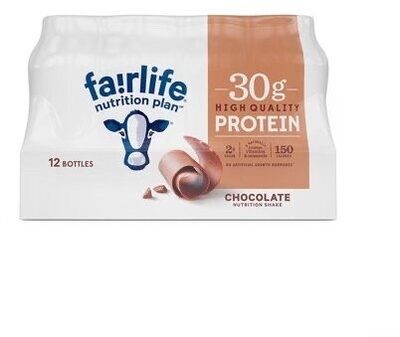
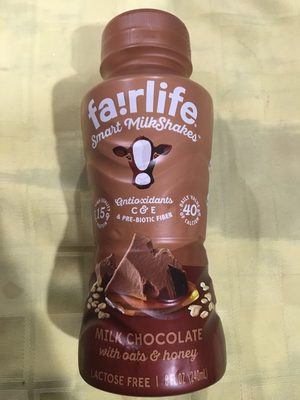
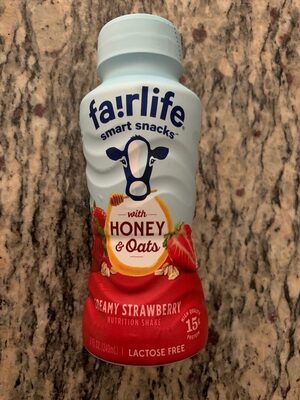
Monk fruit extract is used as a natural, zero-calorie sweetener in a variety of food and beverage products. Manufacturers add it to sweeten items like nutrition shakes, juices, and other sweetened beverages without adding sugar or calories.
Health notes
In the U.S., monk fruit extract is generally recognized as safe (GRAS) by the FDA for use as a sweetener. Regulatory bodies like the Joint FAO/WHO Expert Committee on Food Additives (JECFA) and the European Food Safety Authority (EFSA) have evaluated monk fruit extract. Studies suggest that monk fruit extract does not significantly impact blood glucose levels, making it a popular choice for those managing sugar intake.
Allergen info
Monk fruit extract is not derived from any of the nine major allergens recognized by the FDA. It does not contain gluten.
Foods that contain Monk Juice Concentrate
Compare products →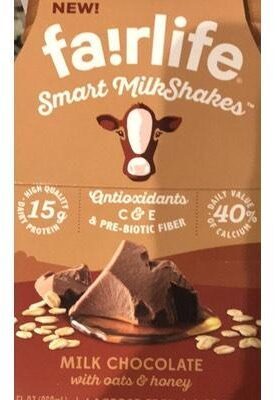
Learn more
Auto-generated content. This description was generated automatically and is pending editorial review. Inaccuracies are possible. Found a mistake? Contact us.