Monocalcium Phopshate
What is Monocalcium Phopshate?
Monocalcium phosphate is a chemical compound that is a salt of calcium and phosphoric acid. It is produced industrially by reacting calcium carbonate or calcium hydroxide with phosphoric acid. It is a white powder or granular solid.
Is Monocalcium Phopshate vegan?
Monocalcium Phopshate is not animal-derived. Products that contain it can still include other animal-derived ingredients, so check the full ingredient list.
Is Monocalcium Phopshate gluten-free?
Monocalcium phosphate is not derived from any of the nine major allergens and does not contain gluten.
What is Monocalcium Phopshate used for?
Monocalcium phosphate is commonly used as a leavening agent in baked goods like breads and cakes, where it reacts with baking soda to produce carbon dioxide gas, causing the product to rise.
Is Monocalcium Phopshate safe?
Monocalcium phosphate is generally recognized as safe (GRAS) by the FDA for use in food.
Why it's used
Monocalcium phosphate is commonly used as a leavening agent in baked goods like breads and cakes, where it reacts with baking soda to produce carbon dioxide gas, causing the product to rise. It can also be used as a dough conditioner and a source of calcium and phosphorus.
Health notes
Monocalcium phosphate is generally recognized as safe (GRAS) by the FDA for use in food. It is a source of dietary calcium and phosphorus, which are essential minerals. The Joint FAO/WHO Expert Committee on Food Additives (JECFA) has evaluated monocalcium phosphate and established an acceptable daily intake.
Allergen info
Monocalcium phosphate is not derived from any of the nine major allergens and does not contain gluten.
Foods that contain Monocalcium Phopshate
Compare products →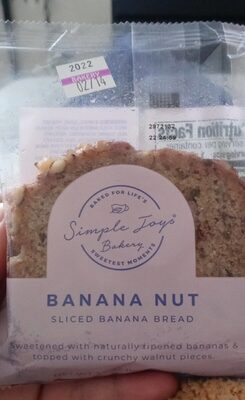 FGF LLC
Banana Nut Sweetened With Naturally Ripened Bananas & Topped With Crunchy Walnut Pieces Sliced Banana Bread, Banana Nut
High in added sugars — 42% DV per serving
352kcal
4.8Protein
17.1Fat
44.8Carbs
FGF LLC
Banana Nut Sweetened With Naturally Ripened Bananas & Topped With Crunchy Walnut Pieces Sliced Banana Bread, Banana Nut
High in added sugars — 42% DV per serving
352kcal
4.8Protein
17.1Fat
44.8Carbs
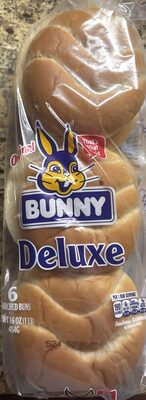 Lewis Bakeries Inc.
Deluxe Buns
—kcal
9.2Protein
3.3Fat
47.4Carbs
Bruno's Supermarkets, Inc.
Thin Crust Pizza, Pepperoni
High in sodium — 43% DV per serving
High in saturated fat — 35% DV per serving
242kcal
9.8Protein
11.8Fat
24.2Carbs
Lewis Bakeries Inc.
Deluxe Buns
—kcal
9.2Protein
3.3Fat
47.4Carbs
Bruno's Supermarkets, Inc.
Thin Crust Pizza, Pepperoni
High in sodium — 43% DV per serving
High in saturated fat — 35% DV per serving
242kcal
9.8Protein
11.8Fat
24.2Carbs
Auto-generated content. This description was generated automatically and is pending editorial review. Inaccuracies are possible. Found a mistake? Contact us.