Mustard And Celery Seeds
What is Mustard And Celery Seeds?
Mustard seeds are small, round seeds from the mustard plant, typically yellow, brown, or black. Celery seeds are the tiny dried seeds from the celery plant. Both are commonly used as spices.
Is Mustard And Celery Seeds vegan?
Mustard And Celery Seeds is not animal-derived. Products that contain it can still include other animal-derived ingredients, so check the full ingredient list.
Is Mustard And Celery Seeds gluten-free?
Gluten is not present.
Is Mustard And Celery Seeds a major allergen?
Mustard is one of the 9 FDA major allergens.
What is Mustard And Celery Seeds used for?
These seeds are primarily used to add flavor and aroma to foods.
Is Mustard And Celery Seeds safe?
Mustard and celery seeds are generally recognized as safe (GRAS) by the FDA for use as spices and flavorings.
Why it's used
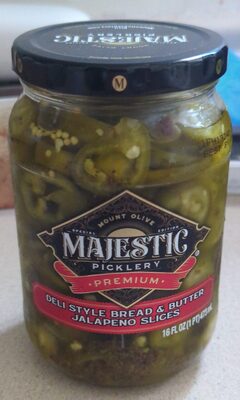
These seeds are primarily used to add flavor and aroma to foods. They are often found in pickles, relishes, salad dressings, and spice blends, contributing a pungent, slightly bitter taste.
Health notes
Mustard and celery seeds are generally recognized as safe (GRAS) by the FDA for use as spices and flavorings. They are not typically consumed in amounts large enough to cause adverse health effects. International bodies like JECFA and EFSA have evaluated various spices, but specific evaluations for mustard and celery seeds in isolation are not widely publicized. Evidence does not suggest significant health concerns at typical dietary intake levels.
Allergen info
Mustard is one of the 9 FDA major allergens. Celery is not a major allergen. Gluten is not present.
Foods that contain Mustard And Celery Seeds
Compare products →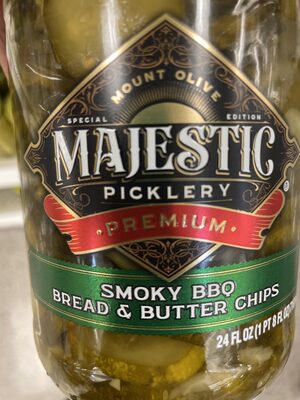
Learn more
Auto-generated content. This description was generated automatically and is pending editorial review. Inaccuracies are possible. Found a mistake? Contact us.