Mustard Essential Oil
Auto-generated content. This description was generated automatically and is pending editorial review. Inaccuracies are possible. Found a mistake? Contact us.
What it is
Mustard essential oil is a volatile oil extracted from mustard seeds, typically from species like Brassica juncea (brown mustard) or Brassica nigra (black mustard). The extraction process often involves steam distillation or cold pressing of the seeds, yielding a pungent, yellowish liquid. It contains compounds like allyl isothiocyanate, which gives mustard its characteristic sharp flavor and aroma.
Why it's used
Manufacturers use mustard essential oil primarily as a flavoring agent to impart a pungent, spicy taste to foods. It is commonly found in condiments like mustard, salad dressings, marinades, and sauces. Its strong flavor profile also makes it suitable for use in some snack foods and processed meats.
Health notes
In the U.S., mustard essential oil is generally recognized as safe (GRAS) for use as a flavoring agent by the FDA. JECFA has evaluated mustard seed and its derivatives, but a specific numeric acceptable daily intake (ADI) was not specified. While generally safe at typical food levels, high concentrations of allyl isothiocyanate can be irritating. Research into potential health benefits, such as antimicrobial properties, is ongoing, but evidence is not conclusive.
Allergen info
Mustard is considered one of the nine major food allergens by the FDA. Therefore, mustard essential oil is derived from a major allergen.
Products containing Mustard Essential Oil
Compare products →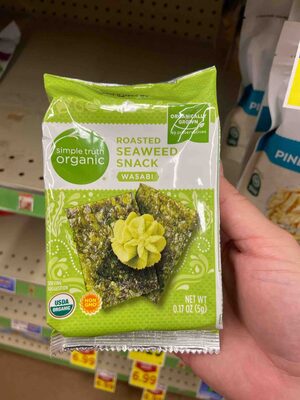 The Kroger Co.
Wasabi Roasted Seaweed Snack, Wasabi
500kcal
20Protein
40Fat
20Carbs
Wegmans Food Markets, Inc.
Wasabi Roasted Seaweed Snacks, Wasabi Roasted
500kcal
20Protein
40Fat
20Carbs
World Variety Produce, Inc.
Dutch Red With Dijon Mustard Sauce Potatoes
71kcal
1.8Protein
0Fat
15.9Carbs
The Kroger Co.
Wasabi Roasted Seaweed Snack, Wasabi
500kcal
20Protein
40Fat
20Carbs
Wegmans Food Markets, Inc.
Wasabi Roasted Seaweed Snacks, Wasabi Roasted
500kcal
20Protein
40Fat
20Carbs
World Variety Produce, Inc.
Dutch Red With Dijon Mustard Sauce Potatoes
71kcal
1.8Protein
0Fat
15.9Carbs