Mustard Extract
What is Mustard Extract?
Mustard extract is a concentrated flavoring derived from mustard seeds. The seeds are typically ground and then extracted using a solvent or water to capture their pungent and spicy compounds. The resulting liquid or paste provides a strong mustard flavor.
Is Mustard Extract vegan?
Mustard Extract is not animal-derived. Products that contain it can still include other animal-derived ingredients, so check the full ingredient list.
Is Mustard Extract a major allergen?
Mustard is not one of the nine major allergens defined by the FDA.
What is Mustard Extract used for?
Manufacturers use mustard extract to add a distinct spicy and pungent flavor to foods.
Is Mustard Extract safe?
Mustard extract is generally recognized as safe (GRAS) by the FDA when used as a flavoring agent.
Why it's used
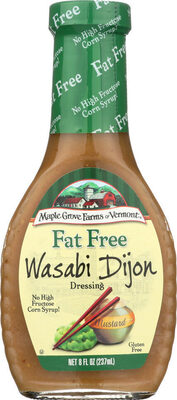
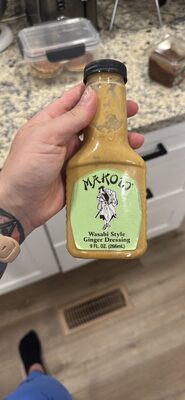
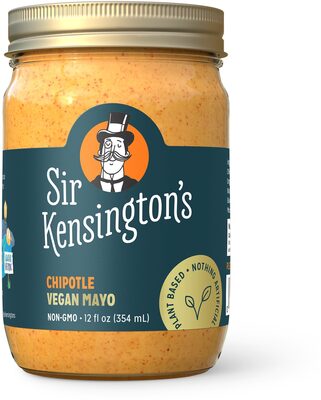
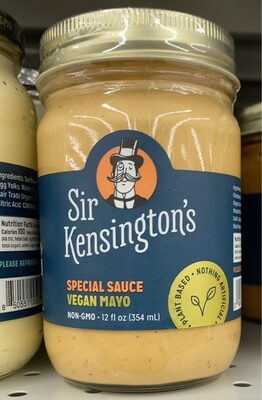
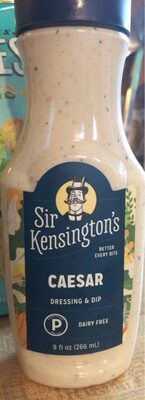
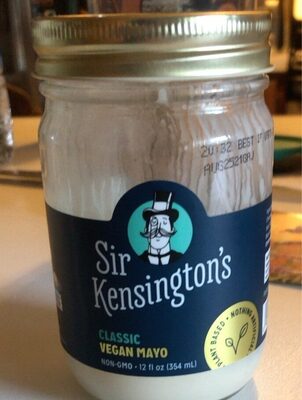
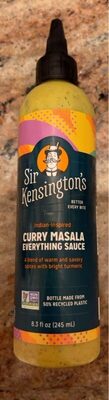
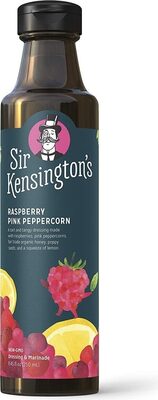
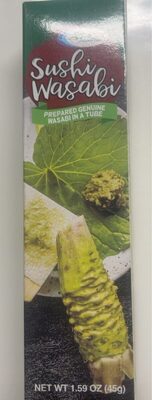
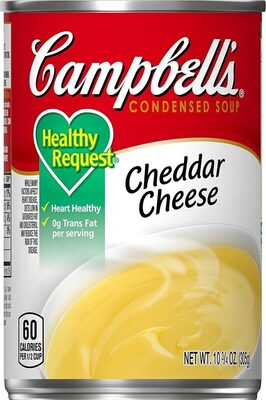
Manufacturers use mustard extract to add a distinct spicy and pungent flavor to foods. It is commonly found in salad dressings, mayonnaise, sauces, marinades, and processed meats. It can also be used in spice blends and seasoning mixes.
Health notes
Mustard extract is generally recognized as safe (GRAS) by the FDA when used as a flavoring agent. Regulatory bodies like JECFA and EFSA have evaluated mustard and its components, but have not set specific numerical limits for mustard extract itself. While generally safe in typical food amounts, some individuals may experience digestive upset from concentrated mustard compounds.
Allergen info
Mustard is not one of the nine major allergens defined by the FDA. However, it is a common allergen for some individuals.
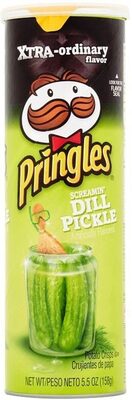
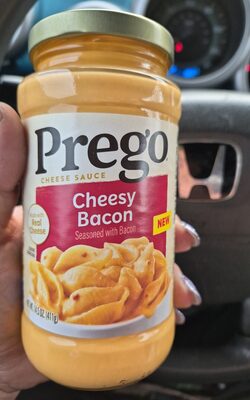
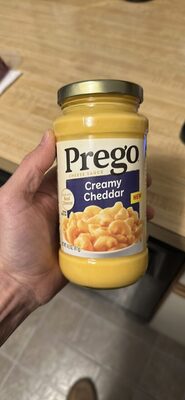
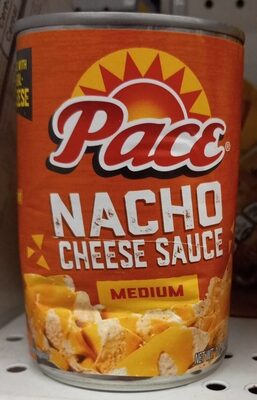
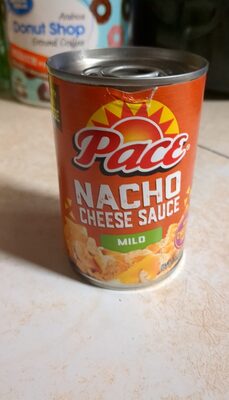
Foods that contain Mustard Extract
Compare products →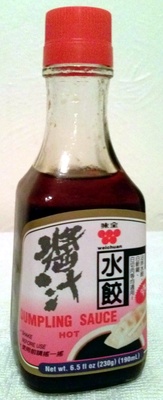
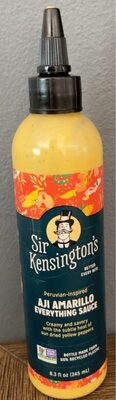
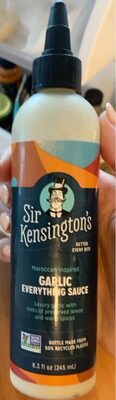
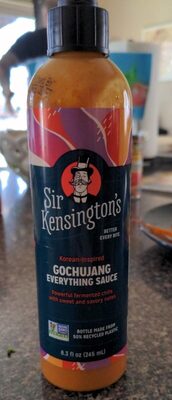
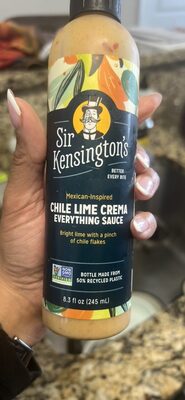
Learn more
Auto-generated content. This description was generated automatically and is pending editorial review. Inaccuracies are possible. Found a mistake? Contact us.