N-ethyl-l-glutamine
What is N-ethyl-l-glutamine?
N-ethyl-L-glutamine is a synthetic compound that mimics the taste of sugar. It is created through chemical synthesis, combining specific amino acids and other organic molecules.
Is N-ethyl-l-glutamine vegan?
N-ethyl-l-glutamine is not animal-derived. Products that contain it can still include other animal-derived ingredients, so check the full ingredient list.
Is N-ethyl-l-glutamine gluten-free?
It does not contain gluten.
Is N-ethyl-l-glutamine a major allergen?
N-ethyl-L-glutamine is not derived from any of the 9 major allergens recognized by the FDA.
What is N-ethyl-l-glutamine used for?
This ingredient is primarily used as a high-intensity sweetener in foods and beverages, offering a sweet taste without calories.
Is N-ethyl-l-glutamine safe?
N-ethyl-L-glutamine is not currently approved by the FDA for use in food in the United States.
Why it's used
This ingredient is primarily used as a high-intensity sweetener in foods and beverages, offering a sweet taste without calories. It is found in products like diet teas, sugar-free drinks, and some powdered beverage mixes.
Health notes
N-ethyl-L-glutamine is not currently approved by the FDA for use in food in the United States. Regulatory bodies like JECFA and EFSA have not evaluated this specific compound. Due to its lack of FDA approval, its safety for consumption in food products is not established in the US.
Allergen info
N-ethyl-L-glutamine is not derived from any of the 9 major allergens recognized by the FDA. It does not contain gluten.
Foods that contain N-ethyl-l-glutamine
Compare products →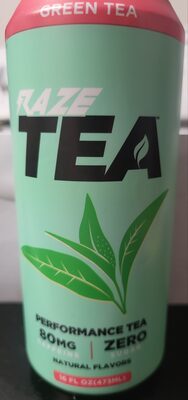
Learn more
Auto-generated content. This description was generated automatically and is pending editorial review. Inaccuracies are possible. Found a mistake? Contact us.