Natural And Artificial Vanilla Flavoring
Auto-generated content. This description was generated automatically and is pending editorial review. Inaccuracies are possible. Found a mistake? Contact us.
What it is
Vanilla flavoring can be made from natural sources like the vanilla bean or produced synthetically. Natural vanilla extract comes from cured vanilla bean pods. Artificial vanilla flavoring is typically made using vanillin, a compound found in vanilla beans, or other synthetic chemicals that mimic its taste and aroma.
Why it's used
Vanilla flavoring is added to foods to provide a sweet, creamy, and rich taste. It is one of the most popular flavors used in baked goods, desserts, ice cream, beverages, and candies. Manufacturers use it to enhance or create specific flavor profiles in a wide range of products.
Health notes
In the U.S., both natural and artificial vanilla flavoring are generally recognized as safe (GRAS) by the FDA when used as intended. Regulatory bodies like JECFA and EFSA have evaluated vanillin and related compounds, and have established acceptable daily intake levels. At typical consumption levels found in food, vanilla flavoring is not associated with adverse health effects.
Allergen info
Vanilla flavoring is not derived from any of the nine FDA major allergens. It does not contain gluten.
Products containing Natural And Artificial Vanilla Flavoring
Compare products →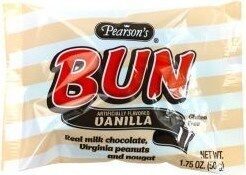 Pearson Candy Company
Pearson's, Bun, Vanilla, Vanilla
High in saturated fat — 25% DV per serving
480kcal
8Protein
24Fat
64Carbs
Pearson Candy Company
Nut Roll, Salted
476kcal
16.7Protein
23.8Fat
54.8Carbs
Harris-Teeter Inc.
Extra Creamy Whipped Topping, Extra Creamy
250kcal
0Protein
16.7Fat
16.7Carbs
Pearson Candy Company
Bite Size Nut Roll, Salted
476kcal
16.7Protein
23.8Fat
54.8Carbs
Pearson Candy Company
Nut Roll, Salted
485kcal
15.4Protein
22.0Fat
52.9Carbs
Pearson Candy Company
Pearson's, Bun, Vanilla, Vanilla
High in saturated fat — 25% DV per serving
480kcal
8Protein
24Fat
64Carbs
Pearson Candy Company
Nut Roll, Salted
476kcal
16.7Protein
23.8Fat
54.8Carbs
Harris-Teeter Inc.
Extra Creamy Whipped Topping, Extra Creamy
250kcal
0Protein
16.7Fat
16.7Carbs
Pearson Candy Company
Bite Size Nut Roll, Salted
476kcal
16.7Protein
23.8Fat
54.8Carbs
Pearson Candy Company
Nut Roll, Salted
485kcal
15.4Protein
22.0Fat
52.9Carbs
 Pearson Candy Company
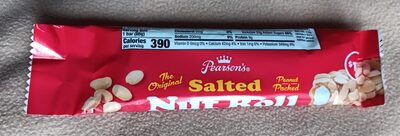
Salted Vanilla Nougat, Golden Caramel, And Roasted Peanuts Nut Roll, Salted Vanilla Nougat, Golden Caramel, And Roasted Peanuts
High in saturated fat — 25% DV per serving
High in added sugars — 66% DV per serving
459kcal
10.6Protein
25.9Fat
51.8Carbs
Pearson Candy Company
Salted Nut Roll
476kcal
16.7Protein
23.8Fat
54.8Carbs
Pearson Candy Company
Pearson's, Nut Roll Bar
471kcal
15.7Protein
21.6Fat
52.9Carbs
Pearson Candy Company
Salted Vanilla Nougat, Golden Caramel, And Roasted Peanuts Nut Roll, Salted Vanilla Nougat, Golden Caramel, And Roasted Peanuts
High in saturated fat — 25% DV per serving
High in added sugars — 66% DV per serving
459kcal
10.6Protein
25.9Fat
51.8Carbs
Pearson Candy Company
Salted Nut Roll
476kcal
16.7Protein
23.8Fat
54.8Carbs
Pearson Candy Company
Pearson's, Nut Roll Bar
471kcal
15.7Protein
21.6Fat
52.9Carbs
 Pearson Candy Company
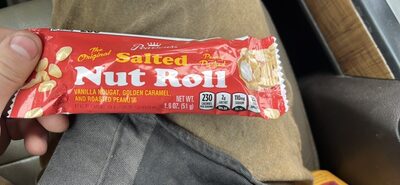
Pearson's, Salted Nut Roll
471kcal
15.7Protein
21.6Fat
52.9Carbs
Pearson Candy Company
Git-R-Done Bar
High in saturated fat — 23% DV per serving
456kcal
12.7Protein
20.2Fat
57.0Carbs
Pearson Candy Company
Pearson's, Nut Roll Bar
476kcal
16.7Protein
23.8Fat
54.8Carbs
George J. Howe Company
Howe, Salted Nut Roll
476kcal
16.7Protein
23.8Fat
54.8Carbs
Pearson Candy Company
Pearson's, Salted Nut Roll
471kcal
15.7Protein
21.6Fat
52.9Carbs
Pearson Candy Company
Git-R-Done Bar
High in saturated fat — 23% DV per serving
456kcal
12.7Protein
20.2Fat
57.0Carbs
Pearson Candy Company
Pearson's, Nut Roll Bar
476kcal
16.7Protein
23.8Fat
54.8Carbs
George J. Howe Company
Howe, Salted Nut Roll
476kcal
16.7Protein
23.8Fat
54.8Carbs