Natural And Artificialflavor
Auto-generated content. This description was generated automatically and is pending editorial review. Inaccuracies are possible. Found a mistake? Contact us.
What it is
Flavoring substances are compounds that provide taste and aroma to foods. They can be derived from natural sources like plants and animals, or created synthetically in a lab. Artificial flavors are chemically identical to their natural counterparts but are produced through chemical synthesis.
Why it's used
Manufacturers use flavorings to enhance or impart specific tastes and smells to food products. They are added to a wide range of items, including baked goods, beverages, candies, and dairy products, to make them more appealing to consumers.
Health notes
In the U.S., both natural and artificial flavors are regulated by the FDA. Many flavoring substances are considered Generally Recognized As Safe (GRAS) or are approved food additives. International bodies like JECFA and EFSA have also evaluated many flavorings. While generally considered safe at typical consumption levels, some individuals may have sensitivities to specific flavor compounds. Research on the long-term effects of consuming a wide variety of artificial flavors is ongoing.
Allergen info
Natural and artificial flavors are not typically derived from the nine major allergens. However, specific flavor compounds can sometimes be derived from allergen sources, and manufacturers should be consulted for precise information. Gluten is not typically associated with flavorings.
Products containing Natural And Artificialflavor
Compare products →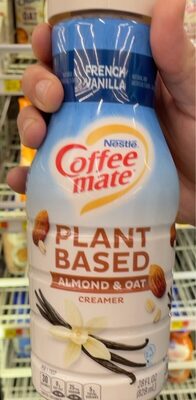 Nestle USA Inc.
French Vanilla Plant Based Almond & Oat Non-Dairy Creamer, French Vanilla
200kcal
0Protein
6.7Fat
33.3Carbs
Tyson Foods Inc.
State Fair Whole Grain Turkey Corn Dogs, 4 oz.
High in sodium — 24% DV per serving
246kcal
8.0Protein
12.6Fat
25.2Carbs
Nestle USA Inc.
French Vanilla Plant Based Almond & Oat Non-Dairy Creamer, French Vanilla
200kcal
0Protein
6.7Fat
33.3Carbs
Tyson Foods Inc.
State Fair Whole Grain Turkey Corn Dogs, 4 oz.
High in sodium — 24% DV per serving
246kcal
8.0Protein
12.6Fat
25.2Carbs
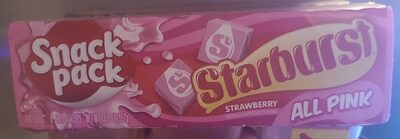 Conagra Brands, Inc
Snack Pack Pink STARBURST Flavored Juicy Gels Cups, 3.25 oz., 6-Count
—kcal
0Protein
0Fat
22.8Carbs
Conagra Brands, Inc
Snack Pack Pink STARBURST Flavored Juicy Gels Cups, 3.25 oz., 6-Count
—kcal
0Protein
0Fat
22.8Carbs