Natural & Artifical Flavors
Auto-generated content. This description was generated automatically and is pending editorial review. Inaccuracies are possible. Found a mistake? Contact us.
What it is
Natural and artificial flavors are substances added to food to give it a specific taste or smell. Natural flavors are derived from plant or animal sources, while artificial flavors are created synthetically in a lab. Both are complex mixtures of compounds designed to mimic natural tastes.
Why it's used
Manufacturers use flavors to enhance the taste and aroma of food products, making them more appealing to consumers. They are found in a wide variety of processed foods, including beverages, snacks, baked goods, dairy products, and confectionery.
Health notes
In the U.S., flavors are regulated by the FDA. Both natural and artificial flavors are generally recognized as safe (GRAS) when used as intended. International bodies like JECFA and EFSA have also evaluated flavorings. While generally considered safe at typical consumption levels, some individuals may have sensitivities to specific flavor compounds. Research into the long-term health effects of consuming artificial flavors is ongoing.
Allergen info
Flavors are not typically considered major allergens. However, if a flavor is derived from a major allergen (like milk or soy), it may need to be declared depending on labeling regulations.
Products containing Natural & Artifical Flavors
Compare products →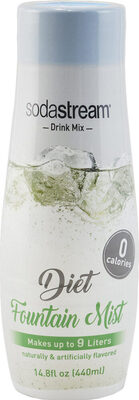 Numerex Corp
Fountain Mist Flavored Diet Drink Mix, Fountain Mist
0kcal
0Protein
0Fat
0Carbs
Numerex Corp
Fountain Mist Flavored Diet Drink Mix, Fountain Mist
0kcal
0Protein
0Fat
0Carbs
 Smart & Final Iris Corporation
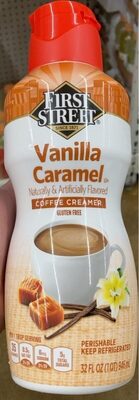
Vanilla Caramel Coffee Creamer, Vanilla Caramel
233kcal
0Protein
10Fat
33.3Carbs
Smart & Final Iris Corporation
Vanilla Caramel Coffee Creamer, Vanilla Caramel
233kcal
0Protein
10Fat
33.3Carbs
 George J. Howe Company
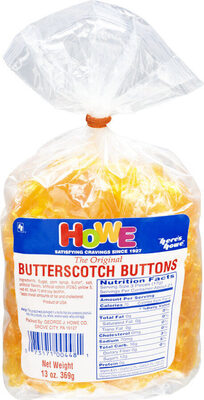
Butterscotch Buttons Candy, Butterscotch
High in added sugars — 24% DV per serving
353kcal
0Protein
0Fat
100Carbs
Rite Aid Corporation
Red Velvet Ice Cream, Red Velvet
High in saturated fat — 30% DV per serving
High in added sugars — 30% DV per serving
216kcal
2.3Protein
10.2Fat
26.1Carbs
George J. Howe Company
Butterscotch Buttons Candy, Butterscotch
High in added sugars — 24% DV per serving
353kcal
0Protein
0Fat
100Carbs
Rite Aid Corporation
Red Velvet Ice Cream, Red Velvet
High in saturated fat — 30% DV per serving
High in added sugars — 30% DV per serving
216kcal
2.3Protein
10.2Fat
26.1Carbs