Natural & Artificial Raspberry Flavor
Auto-generated content. This description was generated automatically and is pending editorial review. Inaccuracies are possible. Found a mistake? Contact us.
What it is
Raspberry flavorings can be derived from natural sources like raspberries or created synthetically in a lab. Natural flavors use extracts from the fruit, while artificial flavors are made from chemical compounds that mimic the fruit's taste and aroma.
Why it's used
Manufacturers use raspberry flavors to add a sweet, fruity taste and aroma to a wide range of products. They are commonly found in baked goods like cookies and biscuits, dairy products, and specialty supplements.
Health notes
Both natural and artificial flavors are generally recognized as safe (GRAS) by the FDA when used as intended. Regulatory bodies like JECFA and EFSA have evaluated flavorings, but specific evaluations for 'natural and artificial raspberry flavor' as a single entity are not typically detailed. Evidence does not suggest adverse health effects from typical consumption levels of approved flavorings.
Allergen info
Raspberry flavorings are not derived from major allergens and do not contain gluten.
Products containing Natural & Artificial Raspberry Flavor
Compare products →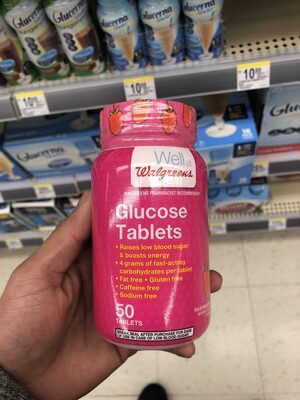 Walgreens Co.
Glucose Tablets, Raspberry
375kcal
0Protein
0Fat
100Carbs
Cookies United, LLC
Sugar Free Sampler Cookie, Assorted
High in saturated fat — 20% DV per serving
440kcal
4Protein
28Fat
56Carbs
Walgreens Co.
Glucose Tablets, Raspberry
375kcal
0Protein
0Fat
100Carbs
Amerisourcebergen Corporation
Glucose Tablets, Raspberry
375kcal
0Protein
0Fat
100Carbs
Walgreens Co.
Glucose Tablets, Assorted Fruit
375kcal
0Protein
0Fat
100Carbs
Walgreens Co.
Glucose Tablets, Raspberry
375kcal
0Protein
0Fat
100Carbs
Cookies United, LLC
Sugar Free Sampler Cookie, Assorted
High in saturated fat — 20% DV per serving
440kcal
4Protein
28Fat
56Carbs
Walgreens Co.
Glucose Tablets, Raspberry
375kcal
0Protein
0Fat
100Carbs
Amerisourcebergen Corporation
Glucose Tablets, Raspberry
375kcal
0Protein
0Fat
100Carbs
Walgreens Co.
Glucose Tablets, Assorted Fruit
375kcal
0Protein
0Fat
100Carbs
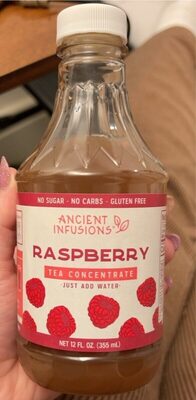 Ancient Infusions LLC
Pappy's, Concentrate Instant Tea, Raspberry, Raspberry
0kcal
0Protein
0Fat
0Carbs
Rite Aid Corporation
Trueplus, Glucose Tablets, Raspberry, Raspberry
375kcal
0Protein
0Fat
100Carbs
Ancient Infusions LLC
Pappy's, Concentrate Instant Tea, Raspberry, Raspberry
0kcal
0Protein
0Fat
0Carbs
Rite Aid Corporation
Trueplus, Glucose Tablets, Raspberry, Raspberry
375kcal
0Protein
0Fat
100Carbs