Natural Color
Auto-generated content. This description was generated automatically and is pending editorial review. Inaccuracies are possible. Found a mistake? Contact us.
What it is
Natural colors are coloring substances derived from plant, animal, or mineral sources. They are extracted or processed from materials like fruits, vegetables, spices, herbs, and even insects. The goal is to impart or restore color to foods, making them more appealing to consumers.
Why it's used
Manufacturers use natural colors to provide a visual appeal to foods, often as a replacement for synthetic dyes. They are found in a wide variety of products where consumers expect certain colors, such as candies, baked goods, dairy products, and beverages. Examples include annatto for yellow/orange, beet for red/pink, and caramel for brown.
Health notes
Natural colors are generally recognized as safe (GRAS) by the FDA for use in food. International bodies like JECFA and EFSA have also evaluated many natural colorants. While generally considered safe, some natural colors can be sensitive to light, heat, or pH changes, which can affect their stability and color intensity in food products. Some individuals may have sensitivities or allergies to specific natural color sources.
Allergen info
Natural colors are not typically major allergens themselves, but their source material could potentially be. For example, colors derived from certain plants or insects might pose a risk for individuals with specific allergies. Gluten is not typically associated with natural colors unless cross-contamination occurs during processing.
Products containing Natural Color
Compare products →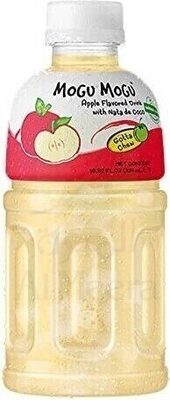 MOGU MOGU
Mogu Mogu, Apple Juice
44kcal
0Protein
0Fat
11.2Carbs
MOGU MOGU
Mogu Mogu, Apple Juice
44kcal
0Protein
0Fat
11.2Carbs