Natural Colouring
Auto-generated content. This description was generated automatically and is pending editorial review. Inaccuracies are possible. Found a mistake? Contact us.
What it is
Natural colorings are pigments derived from plant, animal, or mineral sources. They are used to add or restore color to foods, making them more visually appealing. Examples include annatto from seeds, carmine from insects, and beet juice.
Why it's used
Manufacturers use natural colorings to enhance the appearance of foods, making them more attractive to consumers. They are found in a wide variety of products, including beverages, dairy products, baked goods, and confectionery.
Health notes
Natural colorings are generally recognized as safe (GRAS) by the FDA for use in food. Regulatory bodies like JECFA and EFSA have evaluated many natural colorings and found them safe for consumption at typical levels. While generally considered safe, some individuals may have sensitivities or allergies to specific natural colorings, though this is uncommon.
Allergen info
Natural colorings are not typically derived from the nine FDA major allergens. However, specific sources should be checked if there are concerns, as some colorings might be processed in facilities that handle allergens. Not a major allergen.
Products containing Natural Colouring
Compare products →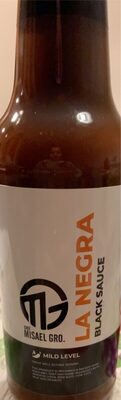 COSECHA P'URHEPECHA
Clasica's Habanero Hot Salsa
0kcal
0Protein
0Fat
0Carbs
COSECHA P'URHEPECHA
Clasica's Habanero Hot Salsa
0kcal
0Protein
0Fat
0Carbs
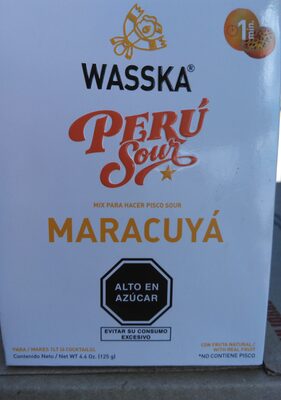 WASSKA
Pisco Sour Mix
394kcal
1.2Protein
0Fat
96.9Carbs
GRETHER'S PASTILLES
Sugarfree Throat Lozenges With Redcurrant Juice, Redcurrant
260kcal
20Protein
0Fat
80Carbs
GRETHER'S
Sugarfree Redcurrant Pastilles
260kcal
20Protein
0Fat
80Carbs
WASSKA
Pisco Sour Mix
394kcal
1.2Protein
0Fat
96.9Carbs
GRETHER'S PASTILLES
Sugarfree Throat Lozenges With Redcurrant Juice, Redcurrant
260kcal
20Protein
0Fat
80Carbs
GRETHER'S
Sugarfree Redcurrant Pastilles
260kcal
20Protein
0Fat
80Carbs
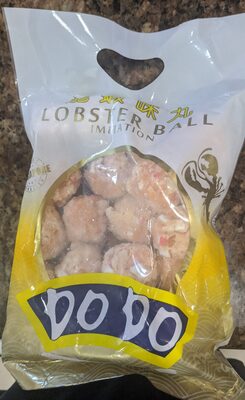 H & N Group, Inc.
Lobster Ball Imitation
High in sodium — 40% DV per serving
130kcal
11Protein
3Fat
14Carbs
H & N Group, Inc.
Lobster Ball Imitation
High in sodium — 40% DV per serving
130kcal
11Protein
3Fat
14Carbs