New Jersey Blackberries
What is New Jersey Blackberries?
New Jersey Blackberries are a variety of blackberry grown in the state of New Jersey. They are a type of berry, similar to raspberries and blueberries, that grows on thorny bushes. These berries are typically harvested during the summer months and can be sold fresh or frozen.
Is New Jersey Blackberries vegan?
New Jersey Blackberries is not animal-derived. Products that contain it can still include other animal-derived ingredients, so check the full ingredient list.
Is New Jersey Blackberries gluten-free?
They do not contain gluten.
Is New Jersey Blackberries a major allergen?
Blackberries are not one of the nine major allergens.
What is New Jersey Blackberries used for?
Manufacturers use blackberries for their flavor, color, and texture.
Is New Jersey Blackberries safe?
Blackberries are a natural fruit and are not subject to FDA additive regulations.
Why it's used
Manufacturers use blackberries for their flavor, color, and texture. They are often found in frozen fruit blends, jams, jellies, pies, and other baked goods. Blackberries can also be used to make juices, smoothies, and sauces.
Health notes
Blackberries are a natural fruit and are not subject to FDA additive regulations. They are a source of fiber and antioxidants. While generally considered healthy, no specific health claims are made by regulatory bodies like the FDA or EFSA regarding this specific fruit variety.
Allergen info
Blackberries are not one of the nine major allergens. They do not contain gluten.
Foods that contain New Jersey Blackberries
Compare products →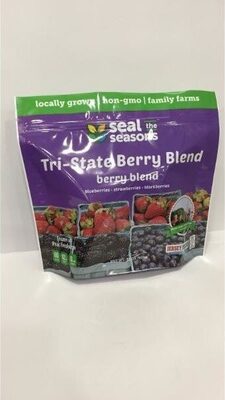
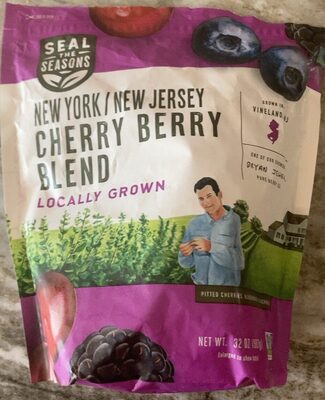
Auto-generated content. This description was generated automatically and is pending editorial review. Inaccuracies are possible. Found a mistake? Contact us.