Niacinamide-b3
Auto-generated content. This description was generated automatically and is pending editorial review. Inaccuracies are possible. Found a mistake? Contact us.
What it is
Niacinamide, also known as nicotinamide, is a form of vitamin B3. It is a water-soluble vitamin that occurs naturally in some foods, like yeast, meat, fish, and legumes. It can also be produced synthetically for use in supplements and food fortification.
Why it's used
Manufacturers add niacinamide to foods and beverages as a nutrient to fortify them with vitamin B3. It is often found in energy drinks, fortified waters, cereals, and baked goods. It helps the body convert food into energy.
Health notes
Niacinamide is Generally Recognized As Safe (GRAS) by the FDA for use as a nutrient. The FDA also lists it as a permitted food additive. The Joint FAO/WHO Expert Committee on Food Additives (JECFA) has evaluated niacinamide and established an acceptable daily intake. It is essential for human health, and deficiency can lead to pellagra. High doses of niacinamide are generally well-tolerated, but very high intakes might cause mild side effects.
Allergen info
Niacinamide is not derived from any of the nine FDA major allergens. It does not contain gluten.
Products containing Niacinamide-b3
Compare products →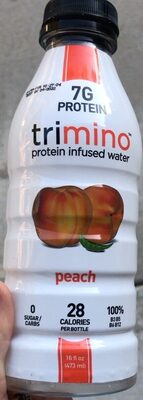 Miami Bay Beverage Company, LLC
Peach Protein Infused Water, Peach
6kcal
1.5Protein
0Fat
0Carbs
Miami Bay Beverage Company, LLC
Peach Protein Infused Water, Peach
6kcal
1.5Protein
0Fat
0Carbs
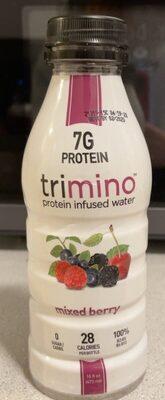 Miami Bay Beverage Company, LLC
Mixed Berry Protein Infused Water
6kcal
1.5Protein
0Fat
0Carbs
Miami Bay Beverage Company, LLC
Mixed Berry Protein Infused Water
6kcal
1.5Protein
0Fat
0Carbs
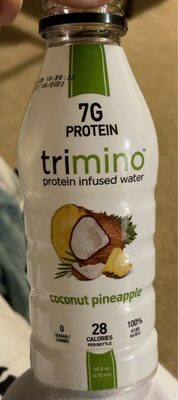 Miami Bay Beverage Company, LLC
Coconut Pineapple Protein Infused Water, Coconut; Pineapple
6kcal
1.5Protein
0Fat
0Carbs
Miami Bay Beverage Company, LLC
Coconut Pineapple Protein Infused Water, Coconut; Pineapple
6kcal
1.5Protein
0Fat
0Carbs
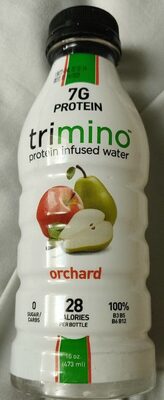 Miami Bay Beverage Company, LLC
Orchard Protein Infused Water, Orchard
6kcal
1.5Protein
0Fat
0Carbs
Miami Bay Beverage Company, LLC
Orchard Protein Infused Water, Orchard
6kcal
1.5Protein
0Fat
0Carbs
 Miami Bay Beverage Company, LLC
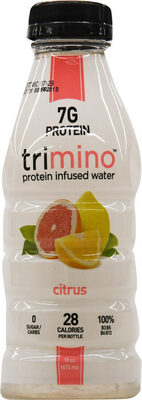
Citrus Protein Infused Water, Citrus
6kcal
1.5Protein
0Fat
0Carbs
Miami Bay Beverage Company, LLC
Citrus Protein Infused Water, Citrus
6kcal
1.5Protein
0Fat
0Carbs
 Miami Bay Beverage Company, LLC
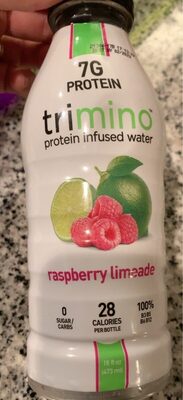
Raspberry Limeade Protein Infused Water, Raspberry; Limeade
6kcal
1.5Protein
0Fat
0Carbs
Miami Bay Beverage Company, LLC
Raspberry Limeade Protein Infused Water, Raspberry; Limeade
6kcal
1.5Protein
0Fat
0Carbs