Cyanocobalamin B12
Auto-generated content. This description was generated automatically and is pending editorial review. Inaccuracies are possible. Found a mistake? Contact us.
What it is
Cyanocobalamin is a synthetic form of vitamin B12, an essential nutrient that the body needs but cannot make on its own. It is produced industrially through bacterial fermentation and chemical synthesis. Vitamin B12 plays a crucial role in nerve function, red blood cell formation, and DNA synthesis.
Why it's used
Manufacturers add cyanocobalamin to fortify foods and beverages, ensuring consumers can obtain adequate amounts of vitamin B12. It is commonly found in breakfast cereals, plant-based milk alternatives, and nutritional supplements. It is also added to some waters and beverages, as seen in the examples provided.
Health notes
Cyanocobalamin is generally recognized as safe (GRAS) by the FDA for use as a nutrient supplement. The body absorbs only the amount of vitamin B12 it needs, and excess amounts are typically excreted. International bodies like JECFA and EFSA have evaluated vitamin B12 and its forms. Evidence suggests that adequate vitamin B12 intake is important for overall health, and deficiency can lead to neurological issues and anemia.
Allergen info
Cyanocobalamin is not derived from any of the FDA's major allergens and does not contain gluten.
Products containing Cyanocobalamin B12
Compare products →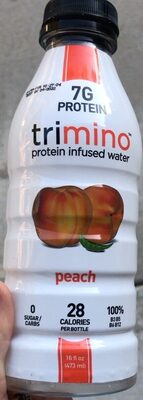 Miami Bay Beverage Company, LLC
Peach Protein Infused Water, Peach
6kcal
1.5Protein
0Fat
0Carbs
Miami Bay Beverage Company, LLC
Peach Protein Infused Water, Peach
6kcal
1.5Protein
0Fat
0Carbs
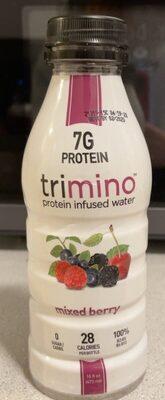 Miami Bay Beverage Company, LLC
Mixed Berry Protein Infused Water
6kcal
1.5Protein
0Fat
0Carbs
Miami Bay Beverage Company, LLC
Mixed Berry Protein Infused Water
6kcal
1.5Protein
0Fat
0Carbs
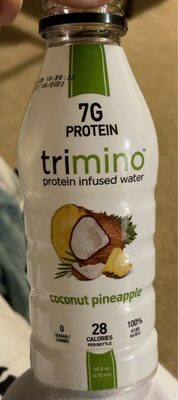 Miami Bay Beverage Company, LLC
Coconut Pineapple Protein Infused Water, Coconut; Pineapple
6kcal
1.5Protein
0Fat
0Carbs
Miami Bay Beverage Company, LLC
Coconut Pineapple Protein Infused Water, Coconut; Pineapple
6kcal
1.5Protein
0Fat
0Carbs
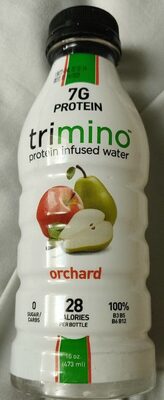 Miami Bay Beverage Company, LLC
Orchard Protein Infused Water, Orchard
6kcal
1.5Protein
0Fat
0Carbs
Miami Bay Beverage Company, LLC
Orchard Protein Infused Water, Orchard
6kcal
1.5Protein
0Fat
0Carbs
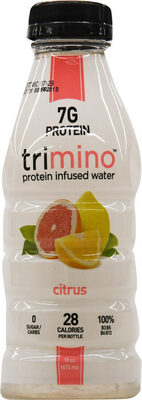 Miami Bay Beverage Company, LLC
Citrus Protein Infused Water, Citrus
6kcal
1.5Protein
0Fat
0Carbs
Miami Bay Beverage Company, LLC
Citrus Protein Infused Water, Citrus
6kcal
1.5Protein
0Fat
0Carbs
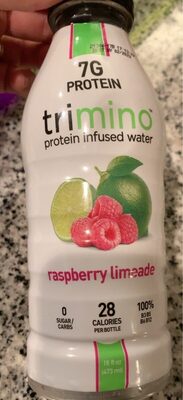 Miami Bay Beverage Company, LLC
Raspberry Limeade Protein Infused Water, Raspberry; Limeade
6kcal
1.5Protein
0Fat
0Carbs
Miami Bay Beverage Company, LLC
Raspberry Limeade Protein Infused Water, Raspberry; Limeade
6kcal
1.5Protein
0Fat
0Carbs