Yerba Mate
What is Yerba Mate?
Yerba mate is a traditional South American beverage made from the dried leaves and twigs of the Ilex paraguariensis tree. The plant is native to the subtropical regions of Argentina, Paraguay, Uruguay, and southern Brazil. The leaves are typically roasted and then steeped in hot water to create a tea-like infusion.
Is Yerba Mate vegan?
Yerba Mate is not animal-derived. Products that contain it can still include other animal-derived ingredients, so check the full ingredient list.
Is Yerba Mate gluten-free?
It does not contain gluten.
Is Yerba Mate a major allergen?
Yerba mate is not one of the nine major allergens recognized by the FDA.
What is Yerba Mate used for?
Yerba mate is primarily used as a flavoring agent in beverages, including teas, energy drinks, and sodas.
Is Yerba Mate safe?
Yerba mate is generally recognized as safe (GRAS) by the FDA for use as a food ingredient.
Why it's used
Yerba mate is primarily used as a flavoring agent in beverages, including teas, energy drinks, and sodas. It provides a distinct, earthy flavor and is also valued for its natural caffeine content, offering an alternative to coffee or traditional tea. It can also be found in some snack bars and supplements.
Health notes
Yerba mate is generally recognized as safe (GRAS) by the FDA for use as a food ingredient. It contains caffeine, which can cause jitteriness, insomnia, and increased heart rate in sensitive individuals. Some studies have explored its antioxidant properties and potential health benefits, but more research is needed. The World Health Organization (WHO) has classified mate as 'possibly carcinogenic to humans' (Group 2B) when consumed as a very hot beverage, due to the high temperatures, not the ingredient itself. JECFA has evaluated yerba mate.
Allergen info
Yerba mate is not one of the nine major allergens recognized by the FDA. It does not contain gluten.
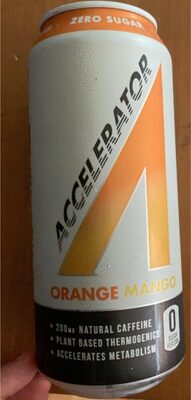
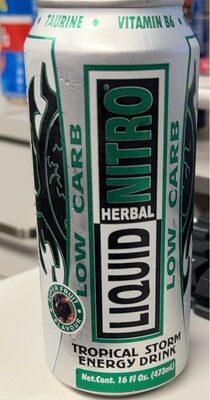
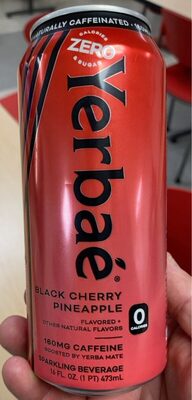
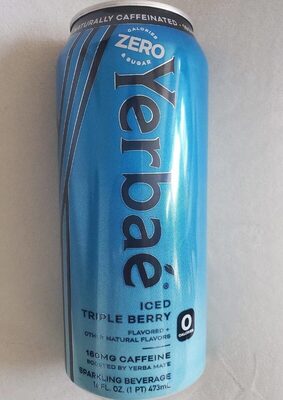
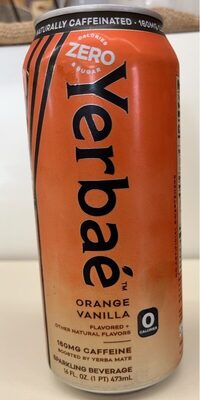
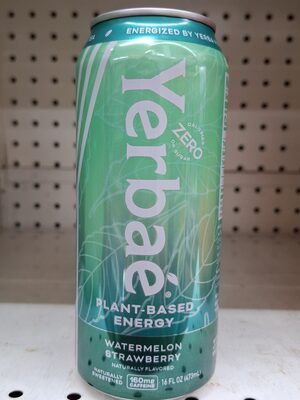
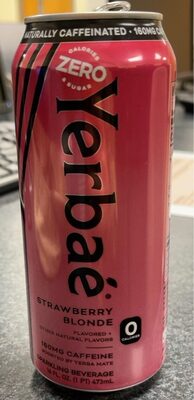
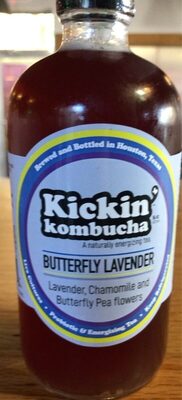
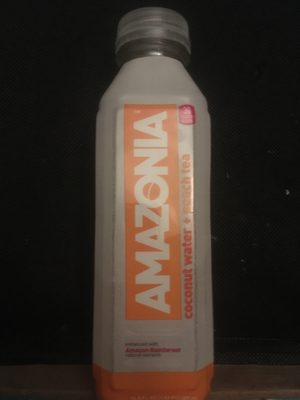
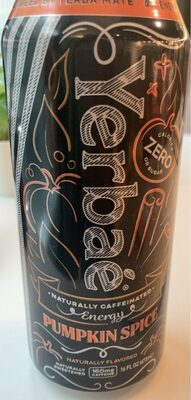
Foods that contain Yerba Mate
Compare products →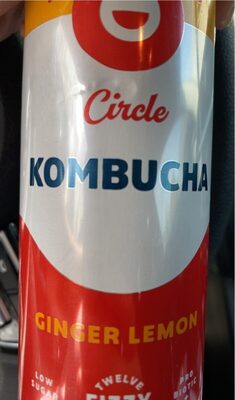
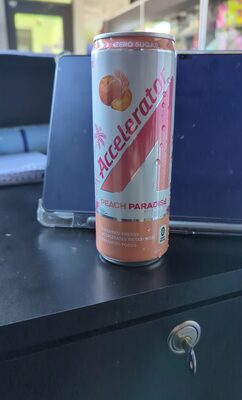
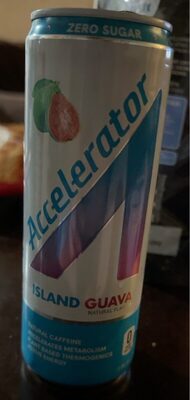
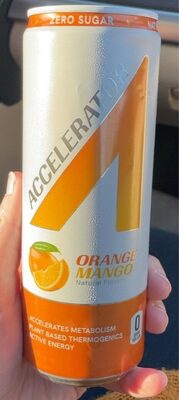
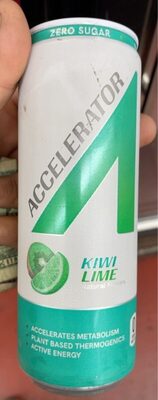
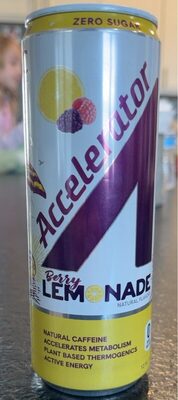
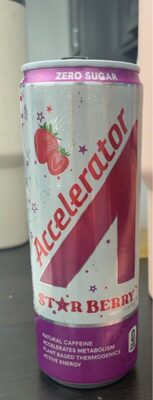
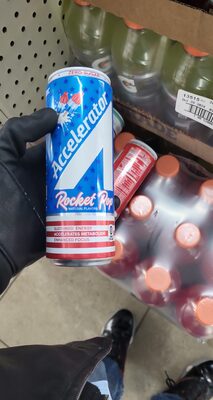
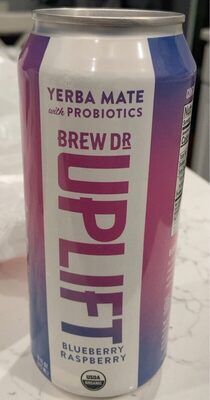
Learn more
Auto-generated content. This description was generated automatically and is pending editorial review. Inaccuracies are possible. Found a mistake? Contact us.