Non-gmo Powdered Sugar
Auto-generated content. This description was generated automatically and is pending editorial review. Inaccuracies are possible. Found a mistake? Contact us.
What it is
Powdered sugar, also known as confectioners' sugar, is granulated sugar that has been finely ground into a powder. It typically contains a small amount of cornstarch to prevent caking and help it maintain its fine texture. "Non-GMO" indicates that the sugar (from sugar cane or sugar beets) and the cornstarch used are not genetically modified.
Why it's used
Manufacturers add powdered sugar primarily as a sweetener, especially in applications where a smooth texture is desired, such as frostings, icings, and glazes. It is also used in baked goods, desserts, and as a dusting for pastries. The cornstarch helps prevent clumping.
Health notes
Sugar is a common food ingredient generally recognized as safe (GRAS) by the FDA. Cornstarch is also GRAS. Powdered sugar provides calories and contributes to the total intake of added sugars. The 2025-2030 Dietary Guidelines for Americans recommend no amount of added sugars, and at most 10 grams of added sugars per meal. JECFA and EFSA have not set specific acceptable daily intake (ADI) limits for sugar or cornstarch as food additives, as they are considered basic food ingredients.
Allergen info
Neither sugar nor cornstarch are considered major allergens by the FDA. Not a major allergen.
Products containing Non-gmo Powdered Sugar
Compare products →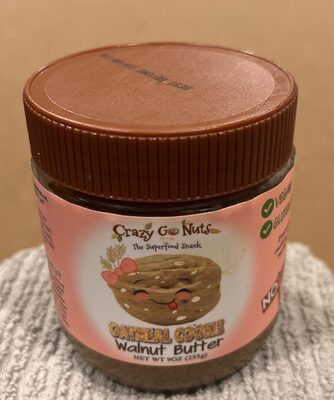 Crazy Go Nuts, LLC
Oatmeal Cookie Walnut Butter, Oatmeal Cookie
607kcal
14.3Protein
53.6Fat
28.6Carbs
Crazy Go Nuts, LLC
Oatmeal Cookie Walnut Butter, Oatmeal Cookie
607kcal
14.3Protein
53.6Fat
28.6Carbs
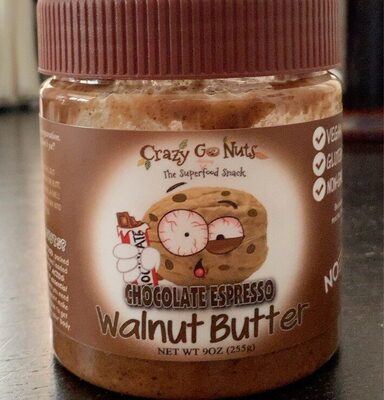 Crazy Go Nuts, LLC
Chocolate Espresso Walnut Butter, Chocolate Espresso
607kcal
10.7Protein
57.1Fat
25Carbs
Crazy Go Nuts, LLC
Chocolate Espresso Walnut Butter, Chocolate Espresso
607kcal
10.7Protein
57.1Fat
25Carbs
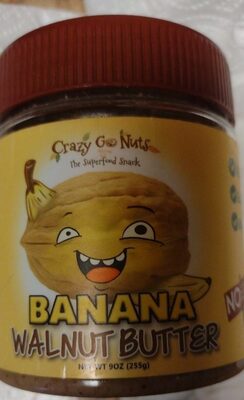 Crazy Go Nuts, LLC
Banana Walnut Butter, Banana
607kcal
14.3Protein
57.1Fat
25Carbs
Crazy Go Nuts, LLC
Banana Walnut Butter, Banana
607kcal
14.3Protein
57.1Fat
25Carbs
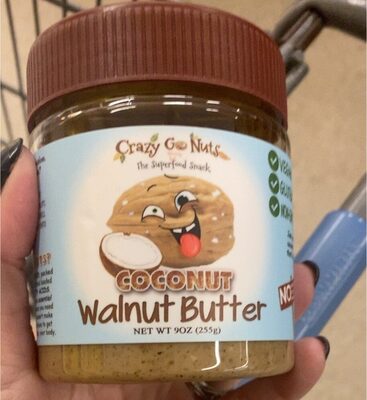 Crazy Go Nuts, LLC
Coconut Walnut Butter, Coconut
643kcal
14.3Protein
60.7Fat
21.4Carbs
Le Cafe de la Plage
Rose, Raspberry, Lychee Macaron Ice Cream Sandwich, Rose, Raspberry, Lychee
High in saturated fat — 22% DV per serving
High in added sugars — 40% DV per serving
275kcal
5Protein
12.5Fat
33.8Carbs
Crazy Go Nuts, LLC
Coconut Walnut Butter, Coconut
643kcal
14.3Protein
60.7Fat
21.4Carbs
Le Cafe de la Plage
Rose, Raspberry, Lychee Macaron Ice Cream Sandwich, Rose, Raspberry, Lychee
High in saturated fat — 22% DV per serving
High in added sugars — 40% DV per serving
275kcal
5Protein
12.5Fat
33.8Carbs