Non-gmo Vegetable Glycerin
Auto-generated content. This description was generated automatically and is pending editorial review. Inaccuracies are possible. Found a mistake? Contact us.
What it is
Vegetable glycerin, also called glycerol, is a clear, colorless, odorless liquid. It is a sugar alcohol that can be made from plant oils (like soy, coconut, or palm oil) or animal fats. It is produced through a process called hydrolysis or transesterification.
Why it's used
Manufacturers use vegetable glycerin as a humectant to keep foods moist, a solvent for flavors and colors, and a sweetener. It can also act as a thickener and preservative. It is found in a variety of products, including baked goods, confectionery, and beverages.
Health notes
Vegetable glycerin is generally recognized as safe (GRAS) by the FDA for use in food. It is metabolized differently than sugar and does not typically raise blood sugar levels. The Joint FAO/WHO Expert Committee on Food Additives (JECFA) has evaluated glycerin and established an acceptable daily intake. Evidence does not suggest adverse health effects at typical consumption levels.
Allergen info
Vegetable glycerin is not derived from any of the nine major allergens. It is also gluten-free.
Products containing Non-gmo Vegetable Glycerin
Compare products →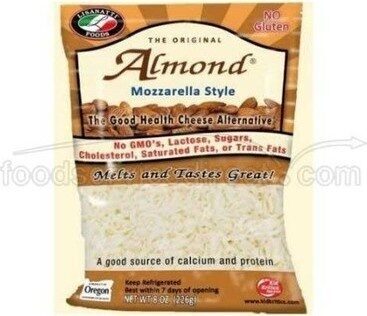 P.J. Lisac & Associates, Inc.
Mozzarella Style Almond, Mozzarella Style
250kcal
21.4Protein
14.3Fat
10.7Carbs
P.J. Lisac & Associates, Inc.
Garlic Herb Style Almond, Garlic Herb Style
250kcal
21.4Protein
14.3Fat
10.7Carbs
P.J. Lisac & Associates, Inc.
Mozzarella Style Almond, Mozzarella Style
250kcal
21.4Protein
14.3Fat
10.7Carbs
P.J. Lisac & Associates, Inc.
Garlic Herb Style Almond, Garlic Herb Style
250kcal
21.4Protein
14.3Fat
10.7Carbs
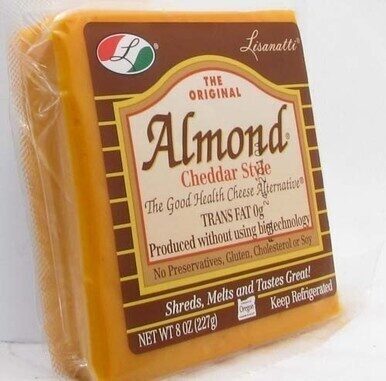 P.J. Lisac & Associates, Inc.
Cheddar Style Cheese
250kcal
21.4Protein
14.3Fat
10.7Carbs
P.J. Lisac & Associates, Inc.
Cheddar Style Cheese
250kcal
21.4Protein
14.3Fat
10.7Carbs
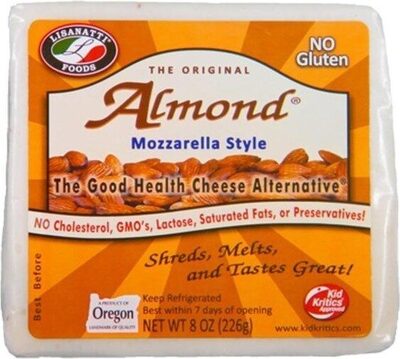 P.J. Lisac & Associates, Inc.
Mozzarella Style Cheese Alternative
250kcal
21.4Protein
14.3Fat
10.7Carbs
P.J. Lisac & Associates, Inc.
Mozzarella Style Cheese Alternative
250kcal
21.4Protein
14.3Fat
10.7Carbs
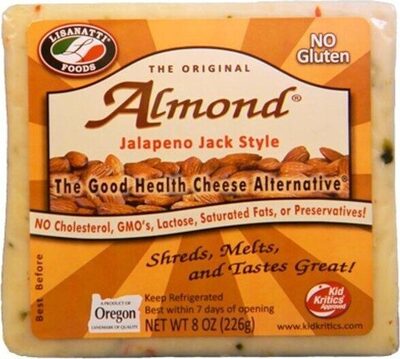 P.J. Lisac & Associates, Inc.
Jalapeno Jack Style Cheese Alternative
250kcal
21.4Protein
14.3Fat
10.7Carbs
P.J. Lisac & Associates, Inc.
Jalapeno Jack Style Cheese Alternative
250kcal
21.4Protein
14.3Fat
10.7Carbs