Non-nutritive Sweeteners
What is Non-nutritive Sweeteners?
Non-nutritive sweeteners, also called artificial sweeteners or sugar substitutes, provide sweetness with few or no calories. They are typically synthetic compounds, though some are derived from natural sources. These sweeteners are many times sweeter than sugar, so only small amounts are needed.
Is Non-nutritive Sweeteners gluten-free?
Non-nutritive sweeteners are not derived from major allergens and do not contain gluten.
What is Non-nutritive Sweeteners used for?
Manufacturers use non-nutritive sweeteners to reduce the calorie content of foods and beverages, making them appealing to consumers seeking weight management options or sugar-free products.
Is Non-nutritive Sweeteners safe?
In the US, many non-nutritive sweeteners are affirmed as Generally Recognized As Safe (GRAS) by the FDA or approved as food additives.
Why it's used
Manufacturers use non-nutritive sweeteners to reduce the calorie content of foods and beverages, making them appealing to consumers seeking weight management options or sugar-free products. They are commonly found in diet sodas, sugar-free candies, baked goods, and tabletop sweeteners.
Health notes
In the US, many non-nutritive sweeteners are affirmed as Generally Recognized As Safe (GRAS) by the FDA or approved as food additives. Regulatory bodies like JECFA and EFSA have evaluated these sweeteners and established acceptable daily intake levels. While generally considered safe at typical consumption levels, research into their long-term effects on gut health and metabolism is ongoing, with some studies suggesting potential impacts while others show no significant effects.
Allergen info
Non-nutritive sweeteners are not derived from major allergens and do not contain gluten.
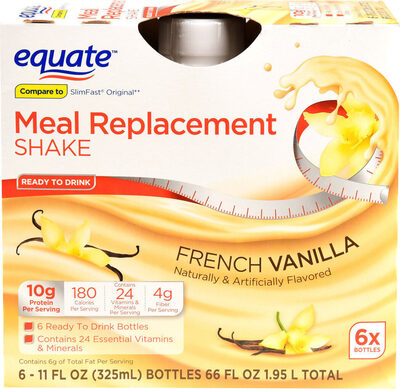
Foods that contain Non-nutritive Sweeteners
Compare products →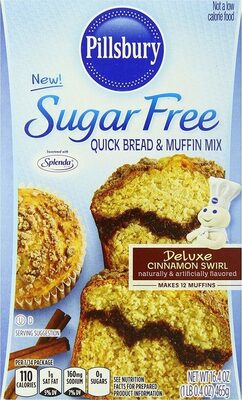
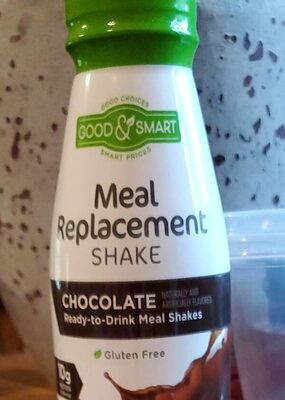
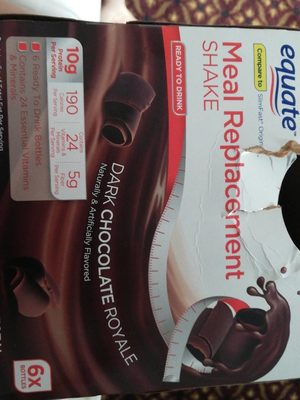
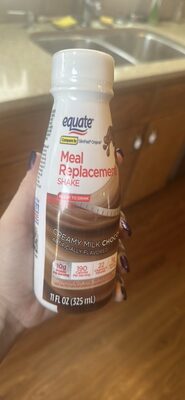

Learn more
Auto-generated content. This description was generated automatically and is pending editorial review. Inaccuracies are possible. Found a mistake? Contact us.