Nonfat Cheddar Cheese
Auto-generated content. This description was generated automatically and is pending editorial review. Inaccuracies are possible. Found a mistake? Contact us.
What it is
Nonfat cheddar cheese is a type of cheese made from milk that has had most of its fat removed. It is produced by coagulating milk protein (casein) with rennet or an acid, then draining the whey. The curds are then salted and aged to develop flavor and texture.
Why it's used
Manufacturers use nonfat cheddar cheese as a primary ingredient in many dairy products, providing a familiar cheese flavor and texture. It is commonly found in shredded cheese blends, cheese sauces, and as a topping for snacks and meals where a reduced-fat cheese option is desired.
Health notes
Nonfat cheddar cheese is a source of protein and calcium. The FDA considers cheese to be generally recognized as safe (GRAS). Regulatory bodies like the European Food Safety Authority (EFSA) have evaluated cheese and dairy products. While cheese is a natural food, high sodium intake from processed cheese products can be a concern for some individuals.
Allergen info
Nonfat cheddar cheese is derived from milk, which is one of the 9 FDA major allergens. It does not contain gluten.
Products containing Nonfat Cheddar Cheese
Compare products →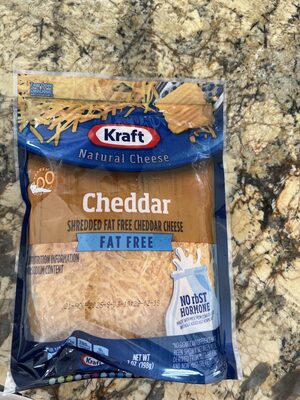 Kraft Heinz Foods Company
Cheddar Shredded Fat Free Cheese, Cheddar
161kcal
32.1Protein
0Fat
7.1Carbs
Kraft Heinz Foods Company
Cheddar Shredded Fat Free Cheese, Cheddar
161kcal
32.1Protein
0Fat
7.1Carbs