Vitamin A Palmitate
What is Vitamin A Palmitate?
Vitamin A palmitate is a form of Vitamin A, an essential nutrient. It is an ester of retinol (Vitamin A) and palmitic acid. It can be produced synthetically or derived from animal sources, such as fish liver oil.
Is Vitamin A Palmitate a major allergen?
Not a major allergen.
What is Vitamin A Palmitate used for?
This ingredient is widely used to fortify foods, such as cereals, milk, and margarine, to increase their Vitamin A content.
Is Vitamin A Palmitate safe?
In the United States, Vitamin A palmitate is generally recognized as safe (GRAS) by the FDA for use as a nutrient fortifier in foods.
Why it's used
This ingredient is widely used to fortify foods, such as cereals, milk, and margarine, to increase their Vitamin A content. Adding Vitamin A helps prevent deficiency and supports overall health, particularly vision and immune function.
Health notes
In the United States, Vitamin A palmitate is generally recognized as safe (GRAS) by the FDA for use as a nutrient fortifier in foods. Vitamin A is essential for good vision, immune system function, and skin health. While very high doses, typically from supplements, can be harmful, the levels found in fortified foods are generally considered safe and beneficial. Both the Joint FAO/WHO Expert Committee on Food Additives (JECFA) and the European Food Safety Authority (EFSA) have evaluated Vitamin A (including its ester forms) and set an acceptable daily intake.
Allergen info
Not a major allergen.
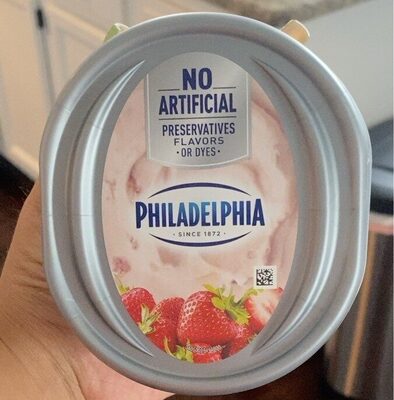
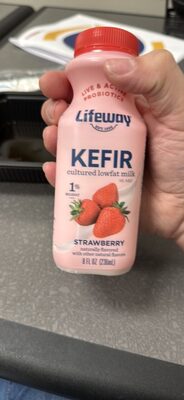
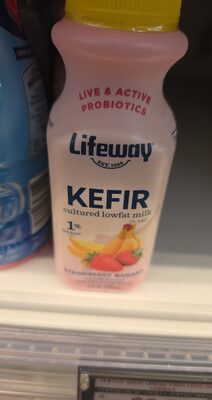
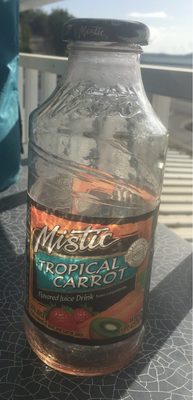
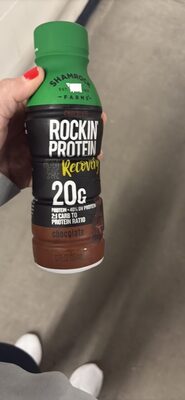
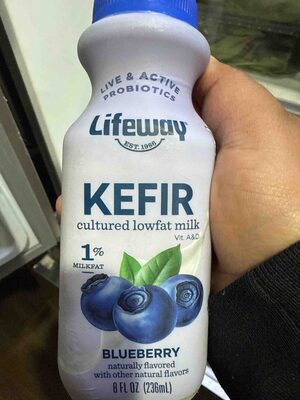
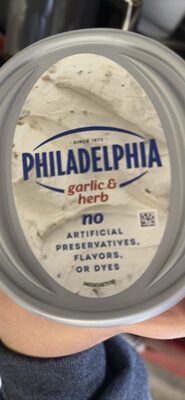
Foods that contain Vitamin A Palmitate
Compare products →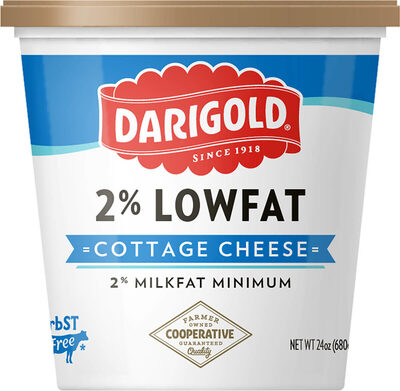
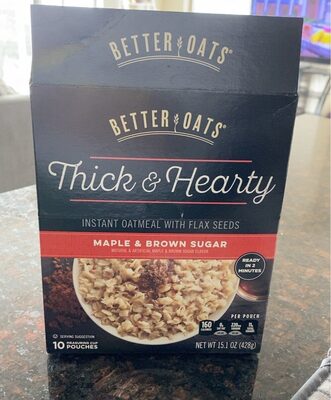






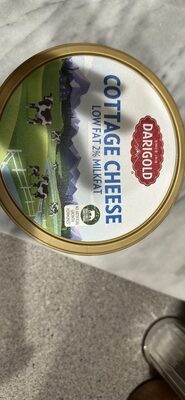


Learn more
Auto-generated content. This description was generated automatically and is pending editorial review. Inaccuracies are possible. Found a mistake? Contact us.